Discovery & funnel mapping
Service-line interviews, traffic-source analysis, qualification-question shortlist, US and EU audience framing, GDPR + CCPA posture mapping.

Case study · AdTech · Lead generation
How we shipped a focused single-page landing for an advertising agency — a Tilda front end, a server-side webhook into a Telegram bot the agency owns, and a broker-free data path that holds up to GDPR and CCPA scrutiny across the United States and the European Union from day one.

The ARIA team wanted a stronger inbound funnel for US and EU client inquiries without spending a quarter on it. The agency already had a clear service portfolio and a steady stream of paid traffic; what they did not have was a landing page that converted that traffic into actionable leads inside a channel the team already monitored. Existing options failed the brief in different ways: a WordPress build added plugin patching, hosting overhead, and a longer attack surface that no two-week timeline could absorb; a SaaS form-builder route added a third-party broker holding submissions that made the GDPR posture harder to defend; a fully custom CMS was overkill for a content surface that updates monthly. We built ARIA as a focused single-page Tilda landing with a server-side webhook that posts every form submission into a Telegram bot the agency owns end-to-end. Daily agile reviews kept iteration tight, the data path stayed broker-free, and the page was structured for block-level expansion into a full multi-page agency site without a rewrite. The live product is positioned for audiences across the US and EU and is built so a future team can absorb it as part of a larger web application development stack without throwing the original investment away.
A snapshot of what the ARIA build delivered across the landing surface, the inbound bot, and the agency's operations during its first production cycle.

The stack decision dominates every other architectural choice in a two-week landing build. We chose Tilda as the front end and the Telegram Bot API as the inbound channel because the trade-offs line up cleanly with an ad-agency funnel. Tilda eliminates plugin patching, hosting setup, theme overrides, and the attack surface of a self-hosted CMS while still letting the agency edit copy and blocks itself. The Telegram bot becomes a queue the team already watches on their phones, with sub-second alert latency and no third-party broker holding submissions. The result is a stack the agency can keep running long after the engineering engagement ends.
WordPress with a form plugin was eliminated early: the plugin patch cadence, the database it requires, and the broader attack surface do not fit a content site that updates monthly. A fully custom CMS was overkill for the editorial volume. SaaS form builders failed the data-path test — they hold submissions on infrastructure the agency does not control, which complicates the GDPR posture for visitors from the European Union and the CCPA posture for visitors from California and the broader United States.
| Dimension | Tilda + Telegram (ARIA) | WordPress + form plugin | Custom CMS / SaaS form builder |
|---|---|---|---|
| Time to first deploy | Days — content blocks plus webhook configuration | Weeks — hosting, theme, plugin selection, patching | Weeks for custom; hours for SaaS but vendor-locked |
| Plugin patch cadence | None — managed front end, no plugins to patch | Continuous — plugin and core security cycles | Custom: engineering ticket per patch; SaaS: vendor-managed |
| Form-to-alert latency | Under one second — direct Telegram chat alert | Seconds to minutes — plugin email queue | Variable; vendor-controlled queue |
| Data-path control | Submissions go to a Telegram chat the agency owns | Database under agency control, plugin may add telemetry | SaaS holds submissions; broker liability sits with vendor |
| Editor learning curve | Visual block editor — non-technical staff in hours | Gutenberg or page-builder plugin — variable | Custom CMS: full training; SaaS: form-only edits |
| Multi-page expansion path | Add Tilda pages or hand off to a custom build | Native — but inherits the patching tax | Custom: full control; SaaS: usually capped at form pages |
| GDPR + CCPA framing | No broker; consent banner + first-party data only | Plugin-dependent; some bundle third-party trackers | SaaS: shared-responsibility model with vendor |
References: Telegram Bot API documentation, Tilda Help Center, GDPR.eu.
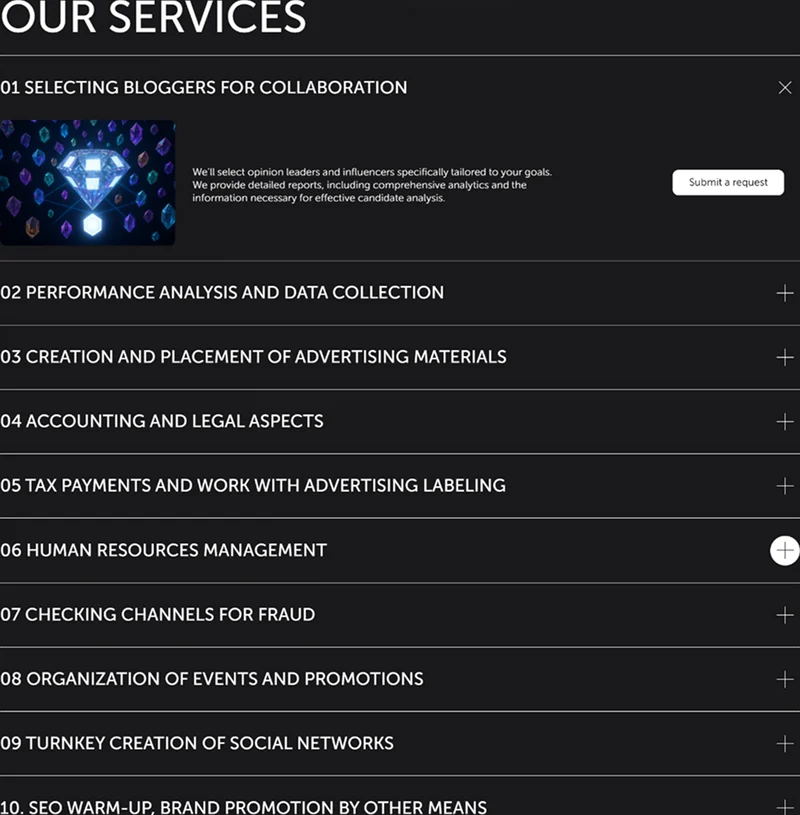
The landing is built as a sequence of Tilda blocks tuned for a paid-traffic audience that arrives with a specific service intent. The above-the-fold block resolves the agency's value proposition in one sentence and one CTA; the next three blocks present services with separate CTAs so a visitor can self-qualify before they reach the form; social proof and an FAQ block precede the final form. The mobile-first layout is the default — paid traffic for the agency skews mobile-heavy in both the US and EU markets, and the responsive grid was tuned against real device traffic rather than against breakpoint defaults.
Form submissions are handled by a thin server-side webhook handler that validates the payload, applies anti-spam heuristics, and posts a formatted message into the Telegram bot the agency monitors. Versioned message templates keep the chat output readable as the form evolves, a submission ID makes every lead deduplicatable, and a rolling operational log gives the agency a queryable history without standing up a separate dashboard. The whole landing surface lives inside our web application development practice and is designed to absorb future blocks — pricing tables, case studies, regional offers — without touching the form path.
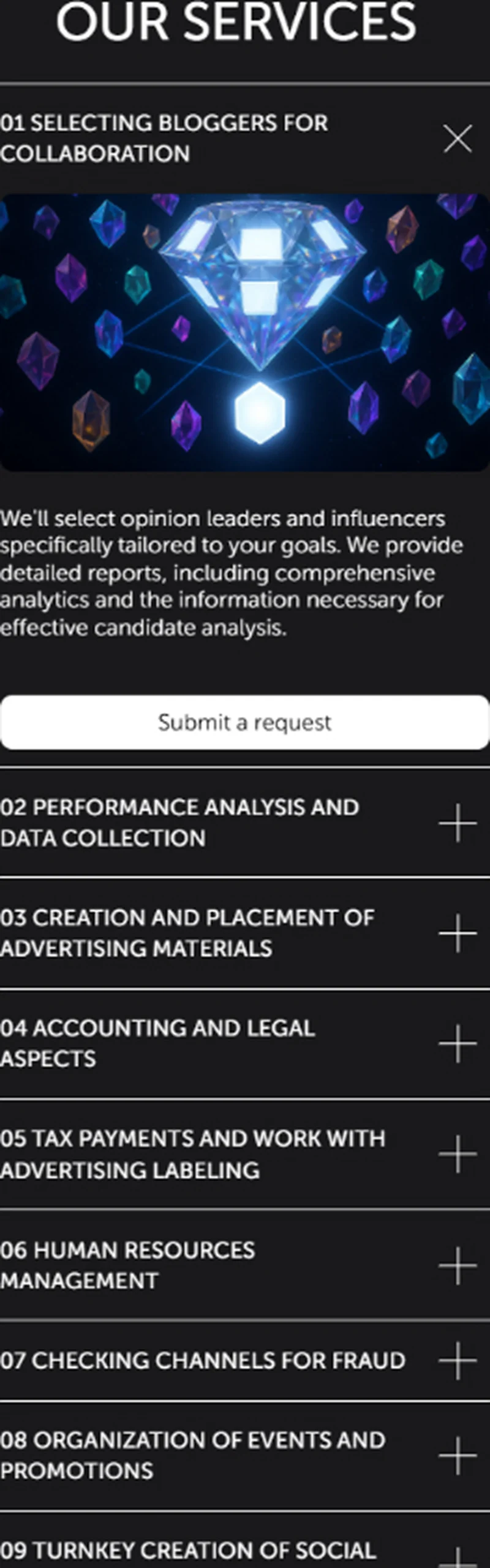
The Telegram bot is the agency's inbound queue. Every form submission lands as a formatted message in a chat the team already monitors on their phones — managers see a new lead within a second of the visitor pressing submit, and the qualification conversation can start before the visitor has closed the landing tab. The bot uses versioned message templates so a copy change in the form schema does not break the chat layout, and every lead carries a submission ID that lets the agency reference it later without a separate CRM.
The daily agile cadence with the agency kept iteration tight: copy tweaks, block-order experiments, and CTA-wording tests landed in production within hours rather than sprints. Because the funnel resolves through a Telegram chat the agency owns, there is no broker holding the data, no SaaS exporter to wire up, and no enrichment service silently pulling email addresses against unknown databases. The same engineering team can layer a CRM, a sales-pipeline dashboard, or a discovery-call calendar onto the same webhook later — the lead data path stays stable through any of those expansions.

ARIA's privacy posture was an architecture decision before it was a marketing claim. The landing collects only the fields the agency needs to qualify a lead, and submissions are posted directly via a server-side webhook into a Telegram chat the agency owns. There is no intermediate SaaS form vendor holding submissions, no enrichment broker silently joining the email address against external databases, and no shadow analytics tracker. The cookie-consent banner gates any optional analytics, and the privacy policy documents exactly what is collected and where it goes for visitors arriving from the US and EU.
Because the data path stays under the agency's control end-to-end, the posture is built to align with GDPR obligations for users in the European Union and CCPA / CPRA obligations for users in California and the broader United States. Server-side validation catches malformed payloads before they reach the Telegram bot, edge caching on the Tilda CDN handles paid-traffic spikes without exposing the form endpoint, and a rolling operational log gives the agency a queryable audit trail without a separate observability stack. The same posture is consistent with the broader cloud & DevOps hygiene we apply to every project.
Compliance posture: GDPR-aligned · ISO 27001 ready · SOC 2 Type II in progress · HIPAA-capable · CCPA-acknowledged.
A five-phase build that took ARIA from agency brief to a live, paid-traffic-ready landing page in two weeks of calendar time.
Service-line interviews, traffic-source analysis, qualification-question shortlist, US and EU audience framing, GDPR + CCPA posture mapping.
Tilda block plan, Telegram bot provisioning, webhook handler skeleton, anti-spam heuristics, versioned message-template format, submission-ID schema.
Tilda block authoring, mobile-first responsive tuning, three-CTA funnel layout, social-proof and FAQ blocks, cookie-consent banner integration.
Server-side validation, broker-free data-path verification, privacy-policy authoring, consent-banner copy, rolling operational log scaffolding.
Paid-traffic-ready launch, daily agile review cadence with the agency, copy and block-order experiments, conversion tuning across US and EU traffic.
ARIA was built as a single-page funnel but architected for expansion. The Tilda block structure is content-editable, the Telegram-bot queue is stable across page additions, and the submission-ID schema is consistent regardless of which page a lead came from. When the agency is ready to expand into a multi-page site — adding a portfolio module, a service-line landing per offer, a US-specific and an EU-specific variant, or an editorial blog — the original investment carries forward without a rewrite. The same webhook handler accepts submissions from any number of forms, the same Telegram bot routes them into the same chat, and the same operational log gives the agency a unified audit trail across the whole funnel surface. The handoff path to a fully custom custom software development build is deliberately gentle: the agency can keep the Tilda landing as their highest-volume funnel page and bolt a custom multi-page site beside it without forcing visitors into a redesign-driven dead zone. The broker-free data path means none of the historical leads are stranded inside a SaaS vendor when the migration happens — the chat history, the operational log, and the submission IDs all transfer cleanly into whatever CRM the agency adopts next.
ARIA launched as an English-language landing serving visitors in California, New York, Texas, Florida, and Washington in the US, and visitors in the Netherlands, Germany, France, Ireland, and Sweden in the EU, without a separate codebase per region. Consent flows are region-aware at the client layer: users in the EU and EEA receive a GDPR-style granular consent screen with separate toggles for any optional analytics; users in California receive a CCPA-style "Do Not Sell or Share My Personal Information" disclosure in the same flow. Data-handling practices are aligned with GDPR for European users and with the US state-privacy patchwork — CCPA / CPRA (California), VCDPA (Virginia), CPA (Colorado), CTDPA (Connecticut), UCPA (Utah), TDPSA (Texas), and Oregon CPA. Because the data path stays inside the agency's own Telegram chat with no third-party broker in the middle, regional compliance reduces to honest disclosure rather than per-jurisdiction data segregation.
The edge surface runs on Tilda's CDN with paid-traffic burst capacity, the webhook handler is provisioned for US and EU latency targets in parallel, and the privacy policy is drafted to document the architecture above — citing GDPR obligations and California CCPA obligations directly. The engineering team behind the build runs a CET workday with East-Coast US overlap (9 AM–1 PM ET) for stand-ups, copy reviews, and launch-day support — the timezone that lets a US-focused agency owner and an EU engineering team share four hours of live overlap every day.
The active technical SEO & growth roadmap for ARIA includes multi-page expansion into service-specific landings, US-focused and EU-focused variants of the hero block, an integrated discovery-call calendar, a portfolio module pulling from the agency's existing case library, and a lightweight first-party analytics layer that does not introduce a third-party broker. A B2B-tier discovery flow and a CRM hand-off path are planned for US and EU agency clients with longer sales cycles, with the existing submission-ID schema already structured to support multi-stage tracking.
If you are planning a fast inbound funnel, a single-page agency landing, or any service-business landing where the data path has to survive a privacy review for audiences in the US and EU, we have shipped this stack end-to-end and can compress the build timeline meaningfully. The live product is available at aria-agency.ru on the web, and the engineering team behind it sits inside YuSMP Group. We work fixed-price for well-scoped landings and on dedicated development teams for ongoing delivery, with a CET workday and a guaranteed East-Coast US overlap (9 AM–1 PM ET) window for stand-ups, demos, and launch-day support.
A focused single-page Tilda landing with a server-side webhook into Telegram, a cookie-consent banner, and an editable content surface typically costs $4k–$12k. Adding a multi-page agency site, multi-language variants, A/B testing, and an analytics dashboard brings a full-featured agency platform to $18k–$45k. The dominant cost drivers are not the page itself but the integration logic, the consent flow tuned for the US and EU, and the content production cycles that drive paid-traffic conversion rate.
For a two-week build, Tilda eliminates plugin patching, hosting setup, and theme overrides while still letting the agency edit copy and blocks itself. The Telegram Bot API delivers form submissions to a chat the agency already monitors, with sub-second latency and no third-party broker holding the data. Compared with a WordPress site, the patch cadence and attack surface are dramatically smaller. Compared with a SaaS form builder, the data path stays inside infrastructure the agency owns.
The landing collects only the fields the agency needs to qualify a lead — name, contact, and a free-text brief — and posts them directly through a server-side webhook into a Telegram chat the agency owns. There is no intermediate SaaS form vendor holding submissions, no enrichment broker, and no shadow analytics tracker. A cookie-consent banner gates any optional analytics, and the privacy policy documents exactly what is collected and where it goes for US and EU visitors.
A focused single-page Tilda landing with a working Telegram-bot webhook, a cookie-consent banner, mobile-responsive layout, and the content blocks the agency actually needs typically takes two to three weeks of calendar time. Adding multi-page navigation, a portfolio module, and a blog adds another three to four weeks. The dominant cost is not page build time but the daily agile review cadence that keeps copy, visuals, and CTAs aligned with paid-acquisition channels.
It is the entry point. The Telegram bot becomes the agency's inbound queue; from there leads can be triaged into a CRM, a sales pipeline, or a discovery-call calendar without forcing the agency to rebuild the landing every time the stack evolves. Because Tilda blocks are content-editable, the page can absorb seasonal campaigns, new service lines, and US versus EU offers without an engineering ticket. The architecture is designed to expand into a full multi-page agency site without rewriting.
Related cases
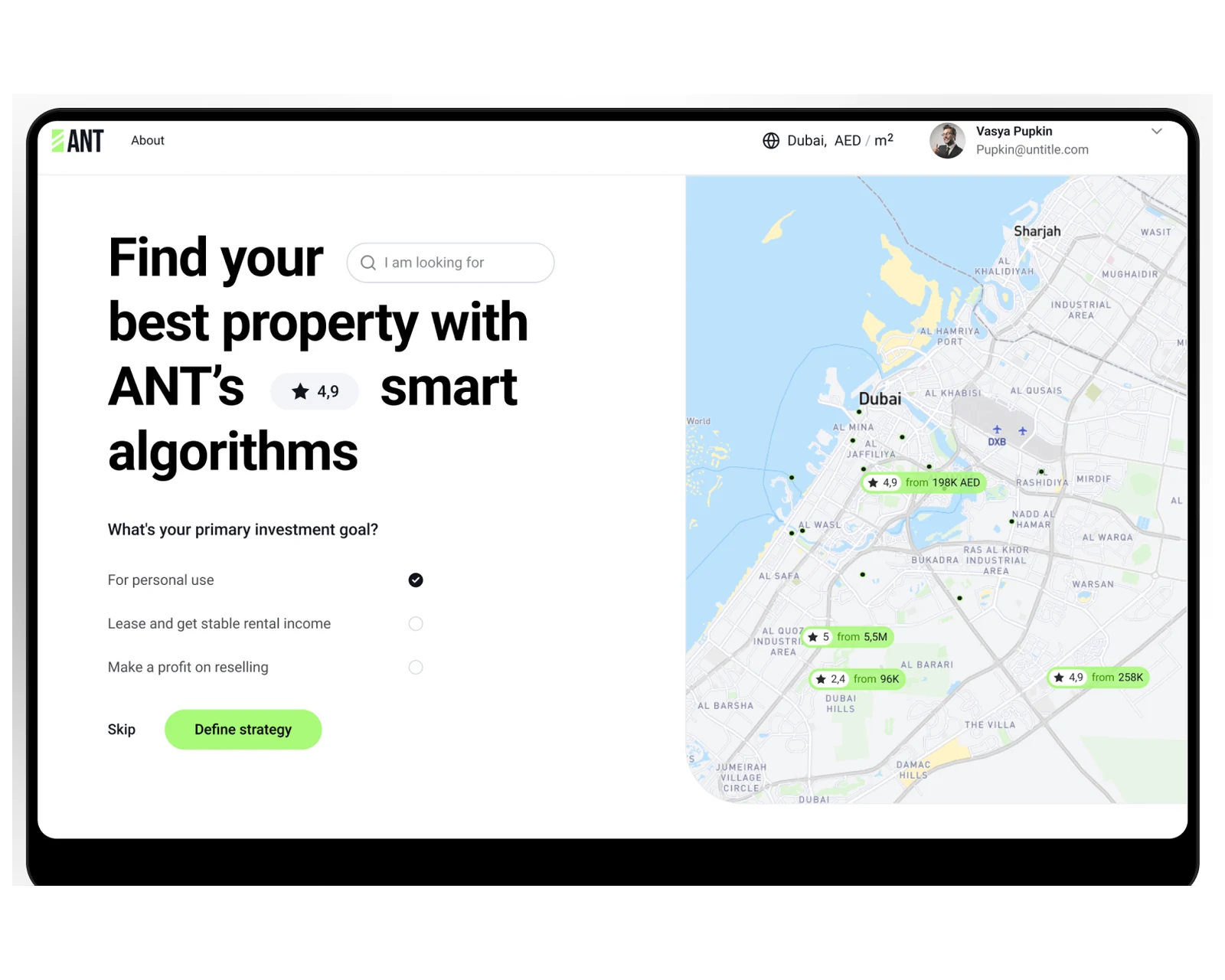
PropTech marketplace + admin for residential developers — apartment-level inventory grids, multi-role workflows, US + EU data residency.
View case →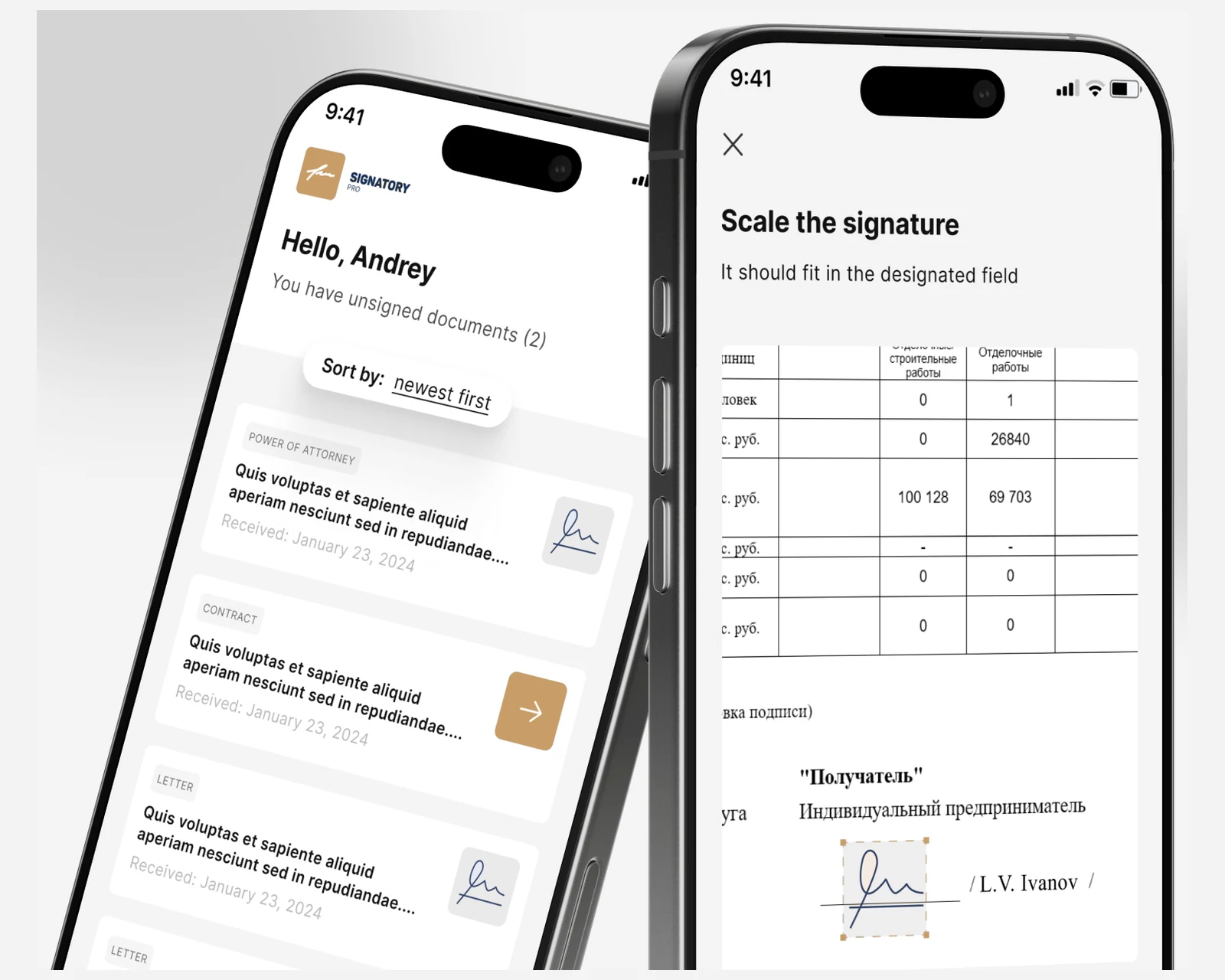
Native iOS and Android e-signature clients with a Symfony + React CRM — KYC onboarding and a defensible evidence trail.
View case →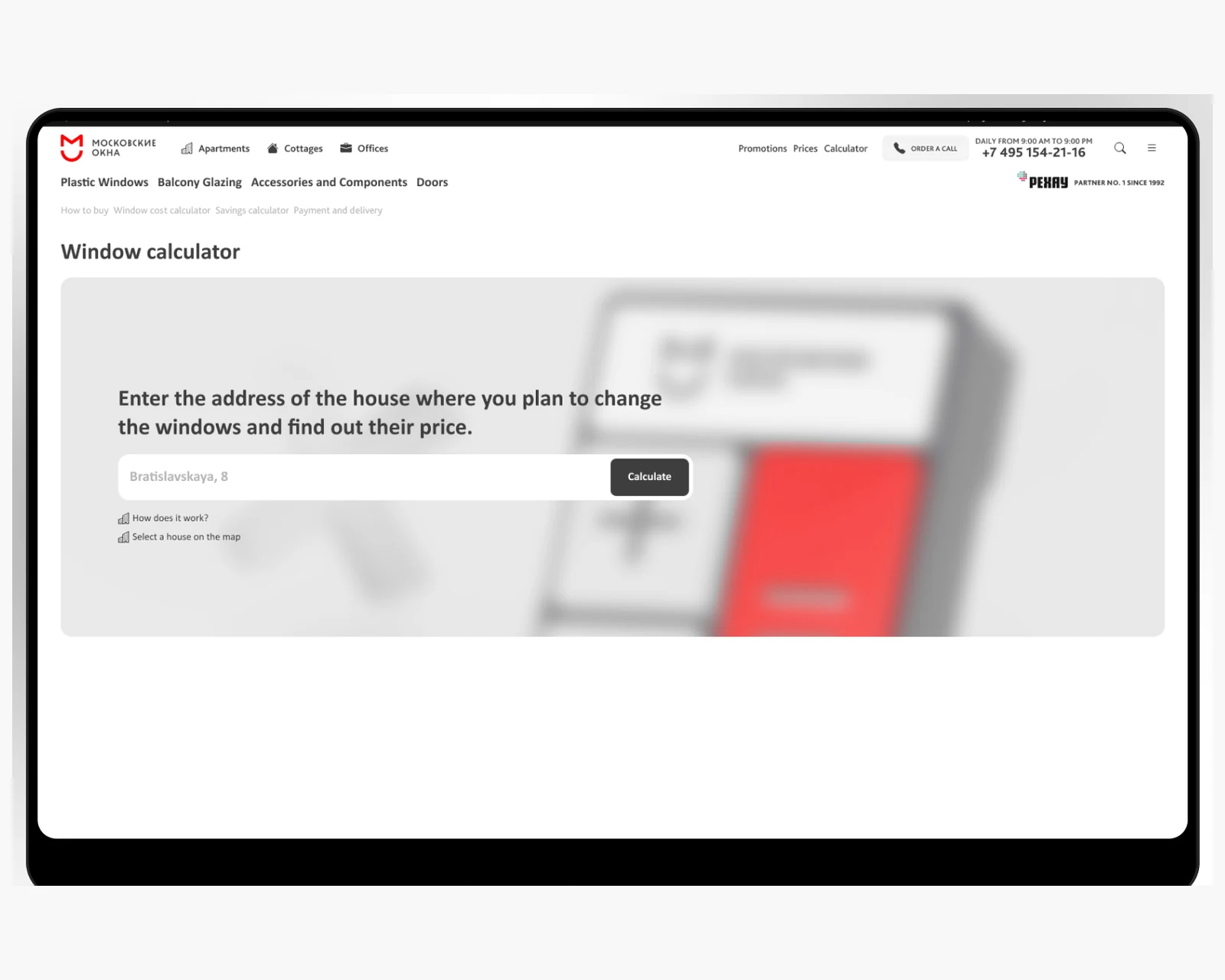
Unified window-quoting platform — address-based lookup, configurator, CRM, multi-tenant across three brand sites.
View case →
Investor-ready MVP shipped in 12 weeks for 60-120k EUR. Senior PM, designer, engineers, QA.
Learn more →
Fast, accessible React and Next.js web apps with WCAG 2.2 AA and edge-first delivery.
Learn more →
GenAI, RAG, agents, and production ML wired into your real systems.
Learn more →Share a few details and a senior consultant will reply within one business day.