Event-loop blocking
Synchronous operations in hot paths stall all requests. We profile with clinic.js, identify offenders and move CPU-bound work to worker threads.

NestJS TypeScript OpenAPI SOC 2-ready
Node.js powers our marketplace cores, real-time messaging spines and SaaS APIs. ANT runs NestJS with Elasticsearch indexing, JoyJet uses Socket.io for live social feeds across US and EU, REHAU bridges Next.js to SAP through a NestJS gateway. Eighty senior engineers, TypeScript-first, observability-trained, Kubernetes-deployed.

We deliver Node.js engineering for SaaS API platforms, real-time social and logistics applications, and B2B integration layers connecting front-ends to SAP, Dynamics and ERP backends. NestJS is our default for new TypeScript backends — modular, DI-wired, Swagger-documented. Express and Fastify stay in the toolkit for existing codebases and latency-critical paths. Every Node.js backend ships with BullMQ queues, structured logging, distributed tracing and Kubernetes deployment manifests. Ready to staff up? See our Node.js development services and dedicated backend teams.
Challenges
Synchronous operations in hot paths stall all requests. We profile with clinic.js, identify offenders and move CPU-bound work to worker threads.
BullMQ workers and Socket.io servers accumulate closures across millions of events. We instrument heap snapshots and fix leak sources, not just restart intervals.
Large Express codebases accumulate any types and manual validation. We migrate to NestJS with Zod or class-validator at every request boundary.
In-memory subscriptions break when pods scale horizontally. We implement Redis pub/sub adapters and sticky-session fallback for clients that need it.
npm's transitive dependency tree ships more attack surface than most apps need. We run npm audit in CI, pin critical versions and ship SBOM artifacts.
Async callstacks lose context across await boundaries. We wire OpenTelemetry context propagation end-to-end so every trace spans from HTTP ingress to database query.
Solutions
Domain-module architecture with shared libraries, DI, Swagger and a clear boundary for future microservice extraction.
WebSocket and SSE gateways for social feeds, live dashboards and logistics tracking — Socket.io or native WS with Redis pub/sub.
Contract-first APIs with OpenAPI codegen, Zod validation, JWT auth and versioned routes.
BullMQ job processors for email, PDF generation, payment webhooks and scheduled reports — with dead-letter queues and retry policies.
Row-level tenant isolation, per-tenant rate limiting and billing event streams on NestJS + PostgreSQL.
Module-by-module migration with parallel Express fallback, integration test coverage and zero-downtime deployment.
Stack
Node.js 22 LTS, NestJS, Fastify, TypeScript, Prisma, BullMQ, Socket.io, Zod, OpenTelemetry, Kubernetes, PostgreSQL, Redis.
Compliance
GDPR-aligned · SOC 2-capable · HIPAA-capable · CCPA-acknowledged
Shared: PCI DSS scope-reduction patterns, SBOM per build, secrets in Vault.
Cases
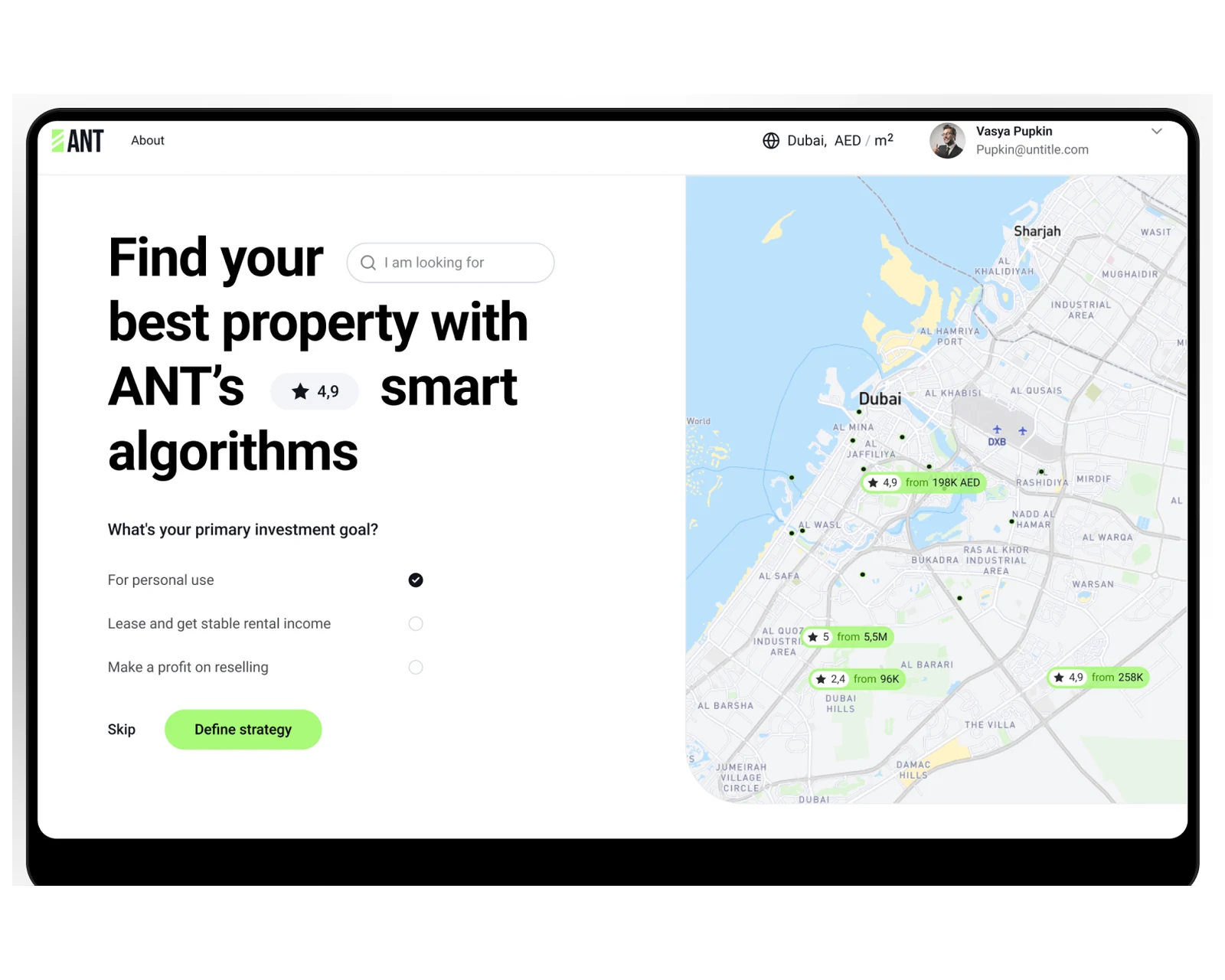
Property marketplace web platform with listing CMS, search and B2B admin console for US and EU operators.

Production social platform — App Store + Google Play, live across the US and EU — with geo Radar, encrypted messaging and a virtual economy.
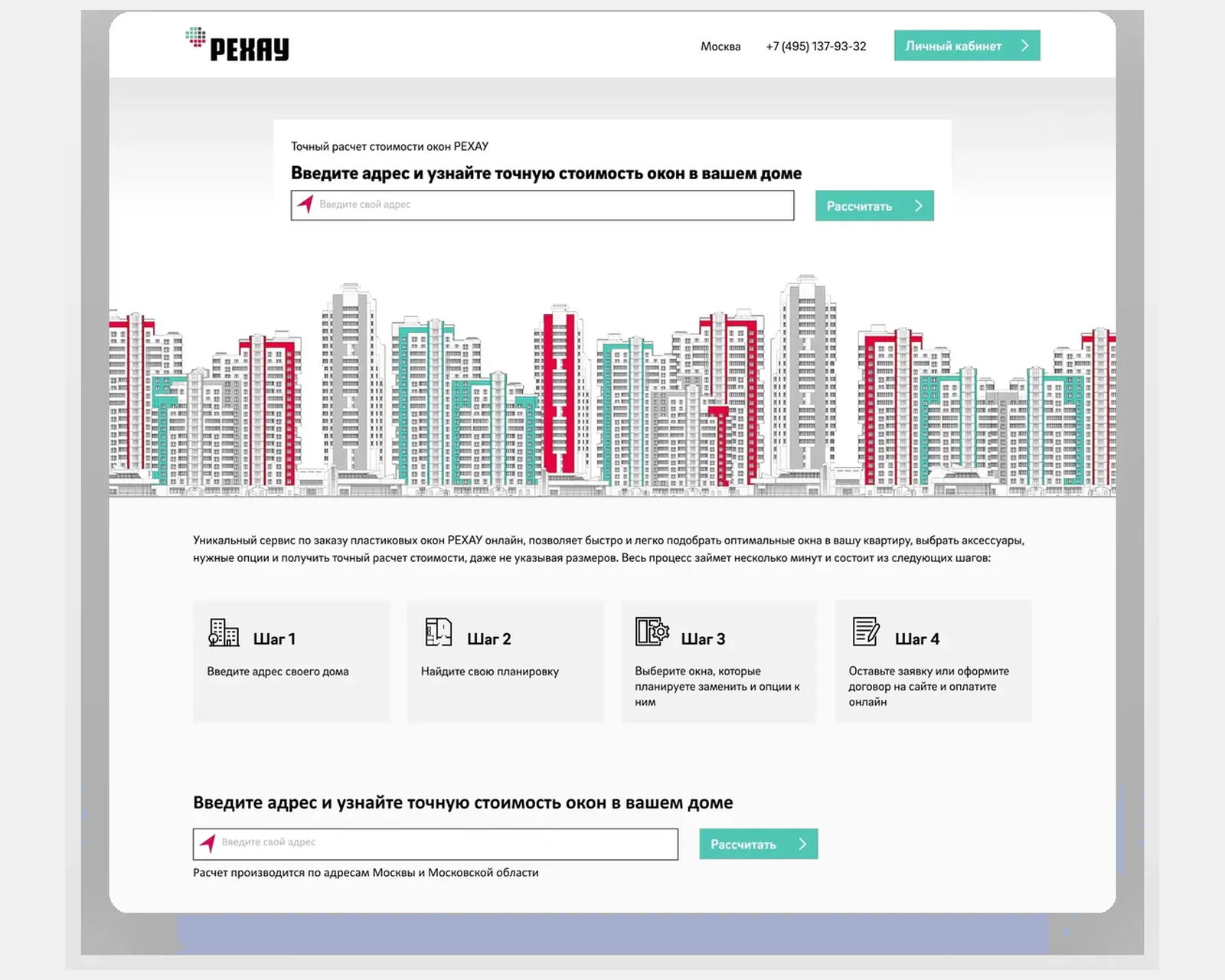
B2B e-commerce and product configurator for a global polymer manufacturer with multi-region pricing, stock and dealer workflows.
Why YuSMP
Senior engineers who have designed NestJS module boundaries, DI hierarchies and Swagger contracts from scratch on production codebases.
Socket.io systems serving tens of thousands of concurrent users — not toy examples, but shipped consumer apps with Redis pub/sub scaling.
Every Node.js service ships with OpenTelemetry traces, structured JSON logs and Prometheus metrics wired before the first sprint ends.
FAQ
NestJS for new projects: DI containers, decorators, Swagger out of the box, and a clear migration path to microservices when scale demands. Express or Fastify where we need minimal overhead or are extending a legacy codebase.
We profile with clinic.js and 0x, move CPU-bound work to worker threads or separate processes, and set up real-time event-loop lag monitoring with Node.js diagnostics channels and OpenTelemetry.
Yes. We have production Socket.io deployments handling thousands of concurrent connections — JoyJet's live social feed is one example. We handle Redis pub/sub for multi-instance scaling and graceful reconnect on the client.
We follow OWASP API Security Top 10: rate limiting, input validation with Zod, parameterised queries, secrets in Vault or AWS Secrets Manager, dependency audit in CI, and HTTP security headers.
For I/O-bound workloads — HTTP proxies, API gateways, real-time messaging — Node.js scales to tens of thousands of concurrent connections on modest hardware. For CPU-bound work we pair Node.js with Go or Rust workers.
We migrate module by module, keeping Express running in parallel. Each migrated module gets NestJS DI, Swagger decorators and integration tests. Typical timelines: 6–12 weeks for a mid-size Express monolith.
Response within 1 business day. NDA on request.
Share a few details and a senior consultant will reply within one business day.