App Router migration risk
Large Pages Router codebases break on RSC boundaries and async layout constraints. We migrate incrementally, route by route, with Playwright regression suites at each step.

App Router Edge-ready Core Web Vitals GDPR
Next.js powers our heaviest production workloads — ANT's PropTech marketplace, REHAU's global B2B portal, Mosokna's multi-brand calculator engine. We choose between App Router and Pages Router deliberately, document the decision as an ADR, and deliver ISR strategies that keep high-traffic pages fresh within seconds. Ready to staff up? See our Next.js development services and dedicated teams.

We deliver Next.js engineering for SaaS product teams migrating to App Router, marketplace operators running ISR-heavy catalog pages, B2B portals bridging Next.js front-ends to ERP and SAP backends, and regulated industries where server-rendered accessible markup is a compliance requirement. Vercel, AWS, GCP and self-hosted Node deployments — all supported with the same delivery discipline.
Challenges
Large Pages Router codebases break on RSC boundaries and async layout constraints. We migrate incrementally, route by route, with Playwright regression suites at each step.
Over-using 'use client' defeats RSC's bundle savings. Under-using it breaks interactivity. We draw boundaries explicitly and document them as team conventions.
Stale catalog pages surface wrong prices and OOS stock. We wire on-demand revalidation to CMS and inventory webhooks for sub-second freshness.
Serverless function invocations and Edge Middleware charges surprise teams after launch. We model costs in staging and design routes to minimise cold-start invocations.
Multi-locale apps produce HTML that mismatches client hydration when locale is detected at runtime. We align locale detection to middleware and pass it through RSC context.
Auth, geo-redirect and A/B middleware stacked in sequence adds 100+ ms to TTFB on every request. We consolidate and benchmark middleware paths.
Solutions
App Router dashboards with RBAC, server actions for mutations and streaming for heavy analytics panels.
ISR product catalogs, server-side facet aggregation and JSON-LD product schema for SEO and AI Overviews.
Shopify Plus and Magento storefronts using App Router with cart server actions and localised checkout.
Multi-locale landing pages with A/B middleware, consent-compliant analytics and CRM webhook integrations.
next-intl or next-i18next with hreflang, server-side locale detection and per-locale ISR TTLs.
Incremental route-by-route migration with Playwright coverage, ADR documentation and zero-downtime deployment.
Stack
TypeScript, React Server Components, Server Actions, Tailwind CSS, Prisma, NextAuth / Auth.js, next-intl, Vercel, AWS ECS, Cloudflare, OpenTelemetry.
Compliance
GDPR-aligned · WCAG 2.2 AA · SOC 2-capable · CCPA-acknowledged
Shared: Core Web Vitals as deploy gates, OWASP ASVS L2, SBOM per build.
Cases
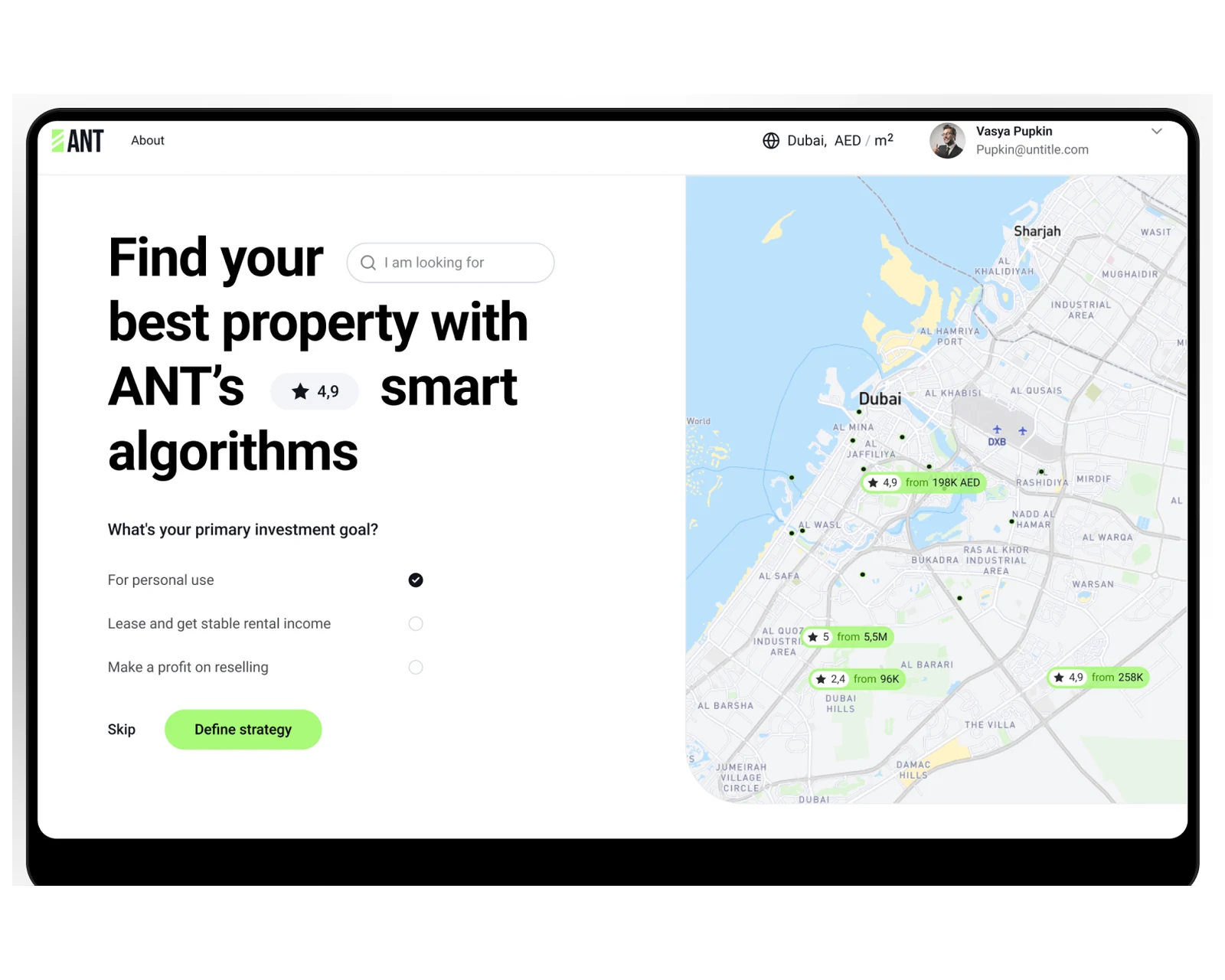
Property marketplace web platform with listing CMS, search and B2B admin console for US and EU operators.
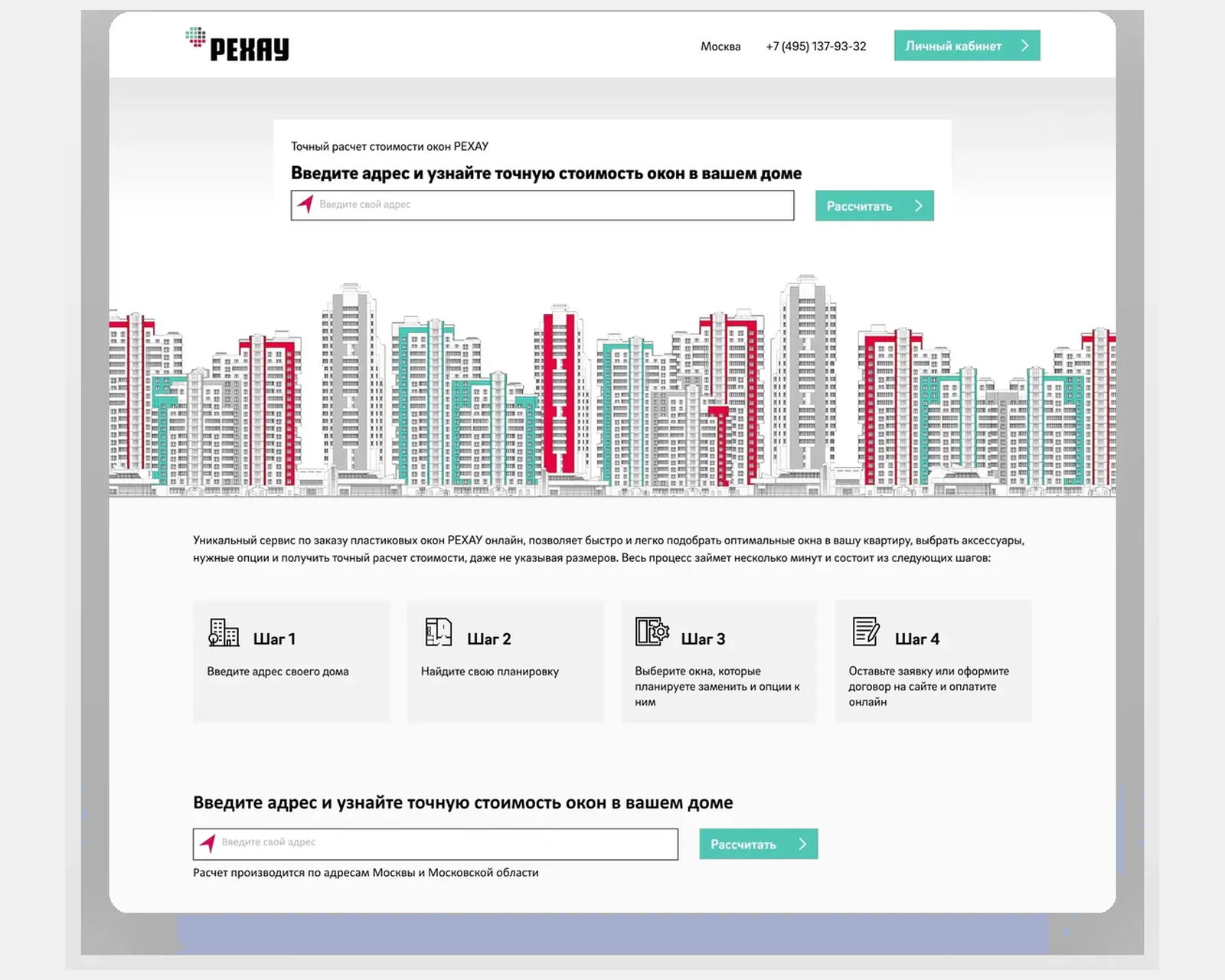
B2B e-commerce and product configurator for a global polymer manufacturer with multi-region pricing, stock and dealer workflows.
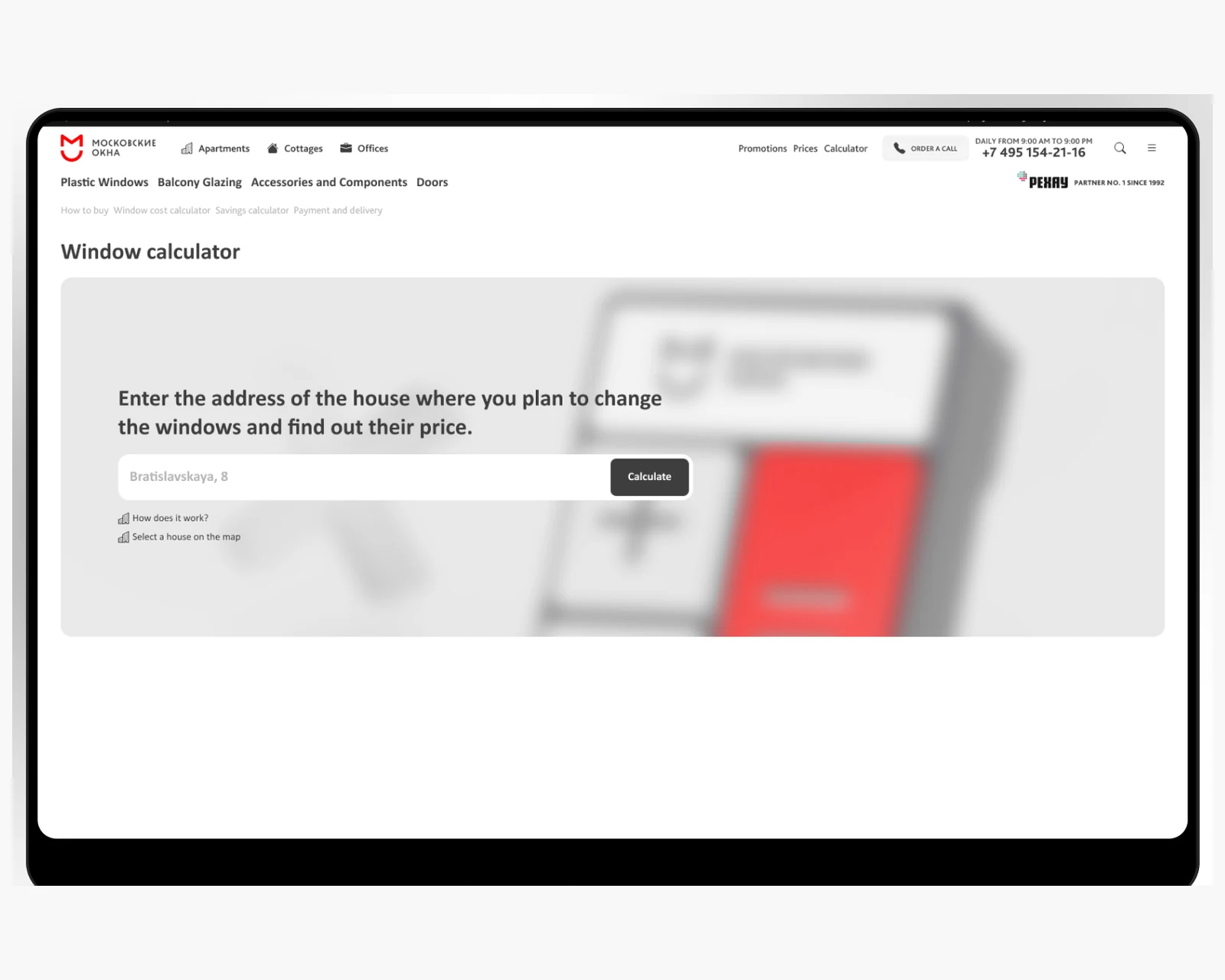
Unified online window calculator and CRM — address-based lookup, multi-tenant Laravel + React engine powering three brand sites.
Why YuSMP
We have shipped App Router into production, not just demo projects — with real ISR, real middleware chains and real multi-locale deploys.
We deploy to Vercel, AWS, GCP and bare-metal Node with identical ISR behaviour and cost models you can predict.
Edge Middleware, Cloudflare Workers and regional ISR — we know where each adds value and where it adds complexity.
FAQ
App Router with React Server Components is our default for new projects. Pages Router is still the right call for teams with large existing codebases and limited migration bandwidth. We document the decision as an ADR and revisit it at six-month milestones.
Both. We deploy on Vercel, AWS (ECS or EKS), GCP Cloud Run and bare-metal Node servers. Self-hosted deployments get ISR via a custom revalidation endpoint and standalone output mode.
RSC renders on the server, so HTML arrives fully formed for crawlers including AI Overview agents. We add generateMetadata per route, implement JSON-LD schema, and validate in staging with Search Console URL inspection.
We set stale-while-revalidate TTLs per route type — catalog pages: 60 s, detail pages: 300 s, user-specific: no-store. On-demand revalidation fires from CMS webhooks to keep high-value pages fresh within seconds of a content update.
We use Auth.js (NextAuth v5) with the App Router adapter, or integrate existing identity providers (Keycloak, Auth0, Okta) via JWT + middleware session validation. Role-based access is enforced in Next.js middleware and mirrored on the API.
Yes. We audit page-router usage, identify RSC-incompatible patterns, migrate incrementally route by route, and run Playwright regression suites at each step. Typical Pages → App Router migration takes 4–8 weeks depending on codebase size.
Response within 1 business day. NDA on request.
Share a few details and a senior consultant will reply within one business day.