Every vertical has its own tenancy model, compliance layer, and integration surface. We have shipped production SaaS inside each of the sectors below — not as generic web apps with a login screen, but as regulated, multi-tenant products with billing, SSO, and observability built into the foundation.
FinTech & financial SaaS
Subscription and transactional platforms where PCI DSS scoping is not optional. We design the payment flow, segment cardholder data from the application tier, align access logging with your QSA, and integrate Stripe Billing or Chargebee for subscription lifecycle, proration, and dunning without rebuilding billing logic from scratch.
Enterprise-auth layers — SAML 2.0, OIDC, SCIM 2.0 — are standard rather than upsold; audit-ready immutable logs cover authentication, configuration, and data access from the first sprint. See EverCoin Bank and our FinTech practice for detail on what regulated fintech SaaS delivery looks like in practice.
HealthTech SaaS
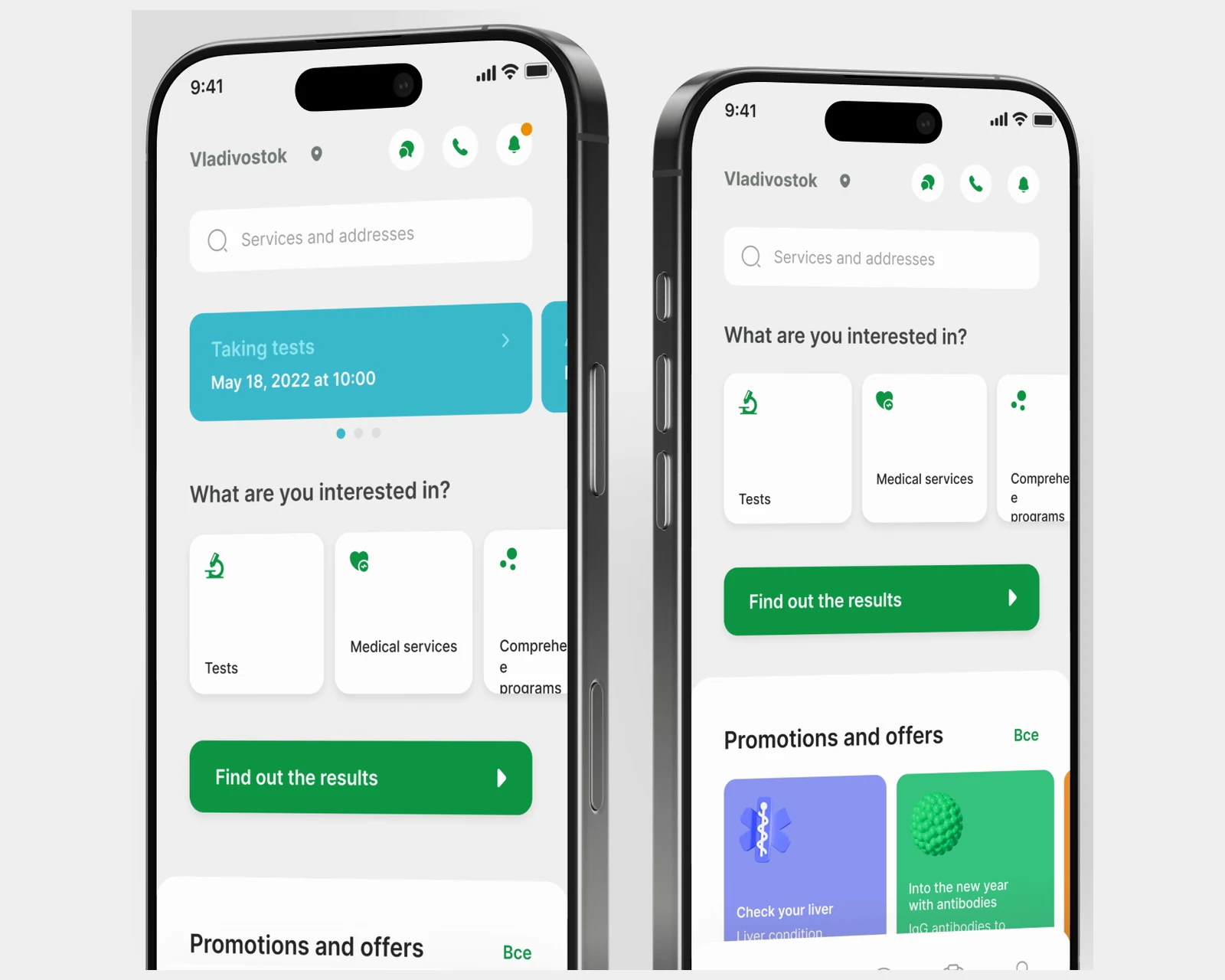
HIPAA-capable multi-tenant products with PHI isolated from analytics pipelines and BAAs signed at the infrastructure layer. We model the minimum-necessary boundary at the data layer, not the UI, so query access to PHI is scoped and logged independently of application session tokens — the pattern your privacy officer and BAA partner expect to see.
GDPR alignment for EU health-data parallels the HIPAA posture: documented legal bases, data flow records, breach notification SLAs, and a named DPO contact included in the engagement. For telehealth and remote-monitoring SaaS, the platform includes asynchronous notification channels — push, SMS, email — with a delivery guarantee and a fallback chain. See Unilab and our HealthTech practice.
Retail & e-commerce SaaS
B2B commerce and back-office platforms where ERP/CRM integration and per-tenant catalogues are the technical core, not a later milestone. We stream SAP, 1C, or Salesforce Commerce data into tenant-scoped views with idempotent consumers and a schema registry that survives vendor releases — so a catalogue change in your ERP is visible to your dealers within 60 seconds without a manual export cycle.
Per-tenant pricing, quota management, region-aware shipping rules, and a configurator engine that outputs a deterministic SKU are all shipped as platform capabilities rather than custom forks per client. Consumer-law-aligned checkout (right of withdrawal, VAT on digital goods, SCA under PSD2) is handled as a compliance checkpoint, not discovered by the QA team. See REHAU and our E-commerce & Retail practice.
LegalTech & document SaaS
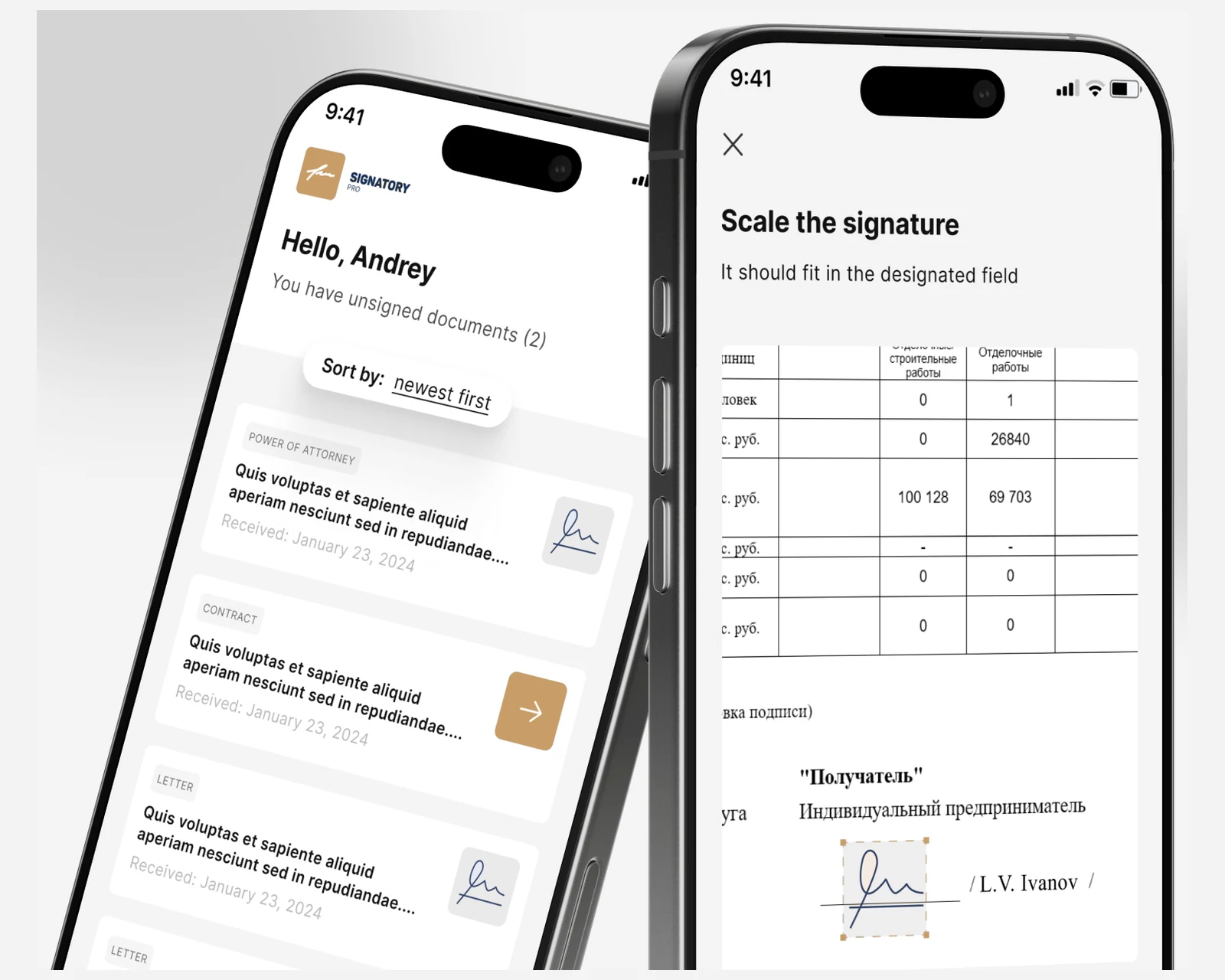
Regulated-document and e-signature platforms where the evidence trail is the product. We implement a 5-step identity-binding flow — phone verification, profile, signature capture, document upload, biometric check — so every signed record is bound to a verified identity rather than a session cookie, and every document state transition is captured in an immutable log that survives a legal discovery request.
Cross-border data residency is handled at the infrastructure tier, not with geo-routing middleware: tenant data is pinned to an AWS or Azure region at provisioning, and sub-processor disclosures match the tenant's jurisdiction. GDPR Article 28 DPAs, eIDAS-aligned electronic signature levels, and SOC 2 evidence packs are available for enterprise procurement. See Signatory Pro, our e-signature SaaS for US & EU law firms.
EdTech & HR SaaS
Learning management and talent platforms where SCORM/xAPI content compliance, progress tracking, and certification workflows are core to the product — not plugins bolted to a generic LMS. We build multi-tenant platforms where each organisation's learner data is isolated at the row level, course completion feeds downstream HR and payroll systems through a documented API, and certificates are generated with a verifiable audit trail.
Engagement mechanics — streaks, leaderboards, scheduled reminders, cohort management — are instrumented through a product-analytics pipeline that measures activation and completion separately, so the SaaS team can run A/B experiments on onboarding without touching the content engine. COPPA compliance for platforms with minor learners and FERPA alignment for higher-education products are scoped during discovery, not as a security audit finding before launch.
Logistics & supply-chain SaaS
Fleet management, warehouse SaaS, and supply-chain visibility platforms where offline-first mobile clients and real-time ERP sync are non-negotiable. We design the sync layer so barcode scans, weight reads, and picking confirmations captured on a plant floor with intermittent connectivity are queued locally and reconciled deterministically when the connection returns — without data loss or duplicate records in the WMS backend.
Third-party carrier integrations — DHL, FedEx, DPD, Yandex Delivery — are wrapped in idempotent adapters with a retry policy and a dead-letter queue, so a carrier API outage does not block dispatch operations. Multi-warehouse tenant isolation, per-depot access controls, and a live occupancy dashboard that reflects ERP truth within 60 seconds are platform-level features, not custom development per tenant. See our Logistics & Manufacturing practice and the Warehouse WMS case.