State file corruption and locking
Concurrent applies on shared state corrupt it irreversibly. We set up S3 + DynamoDB or Terraform Cloud backends with locking enforced from the first day.
OpenTofu Atlantis SOC 2-ready Multi-cloud
Twenty-plus production infrastructure stacks managed with Terraform — ANT on AWS EKS, REHAU's multi-region B2B portal, Loan Conveyor's lending engine on RDS and ElastiCache. Every resource is code, every change is a PR, every apply is logged. No manual console configuration enters production.
We deliver Terraform and OpenTofu engineering for teams replacing manual cloud configuration with code, regulated industries where every infrastructure change must be traceable for SOC 2 or ISO 27001 audits, organisations standardising on multi-cloud stacks across AWS, Azure and GCP, and platform teams building reusable module libraries for product engineering teams. Atlantis handles pull-request-based plan and apply. Terragrunt eliminates DRY violations. Sentinel policies enforce compliance guardrails.
Challenges
Concurrent applies on shared state corrupt it irreversibly. We set up S3 + DynamoDB or Terraform Cloud backends with locking enforced from the first day.
Single-state files covering an entire environment take 10+ minutes to plan. We split by subsystem (network, compute, data, app) for sub-minute plans and minimal blast radius.
Developers fixing incidents by clicking in the console create drift that breaks the next Terraform apply. We implement AWS Config alerts and Atlantis drift detection.
Teams using unpinned module sources diverge silently. We implement a private module registry with semantic versioning and enforce version pins in CI.
Sensitive outputs (database passwords, API keys) land in state files in plaintext. We use AWS Secrets Manager or Vault data sources — values never stored in state.
Auditors want proof that every infrastructure change was reviewed and approved. We route all Terraform applies through Atlantis PRs with plan output and approval comments — a full evidence trail.
Solutions
Remote state backend, Atlantis PR workflow, module structure, variable convention and tagging strategy — all in place before the first resource deploys.
Reusable modules for EKS/AKS/GKE, RDS/Azure SQL, VPC/VNet, IAM/Entra — versioned in a private registry, documented and tested with Terratest.
Every Terraform apply flows through a PR with plan, approval and apply log stored in Git and exported to your compliance evidence repository.
Converting hand-configured AWS/Azure resources to Terraform using import blocks and terraformer — zero downtime, with state validation at each step.
Auditing an existing environment for console-created resources, importing them into state, and establishing Atlantis to prevent future drift.
Collapsing environment-duplicated Terraform into Terragrunt configurations with shared modules and per-environment variable files.
Stack
Terraform 1.9, OpenTofu 1.8, Terragrunt, Atlantis, Terraform Cloud, AWS provider, Azure provider, GCP provider, Terratest, Checkov, tfsec, Sentinel.
Compliance
GDPR-aligned · SOC 2-capable · ISO 27001-ready · PCI DSS-aware
Shared: Checkov and tfsec policy scans in CI, Sentinel policy as code, SBOM for provider versions.
Cases
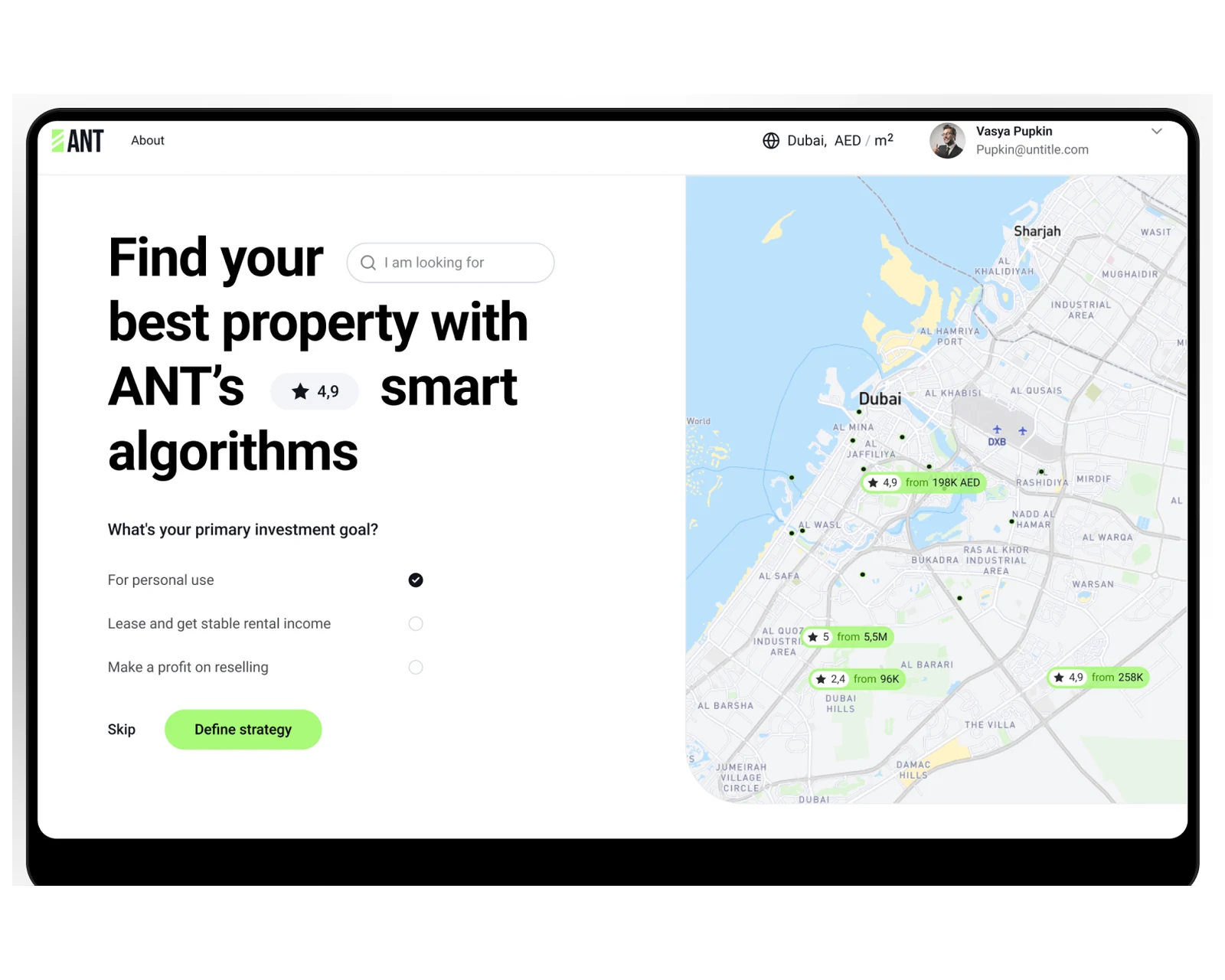
Property marketplace web platform with listing CMS, search and B2B admin console for US and EU operators.
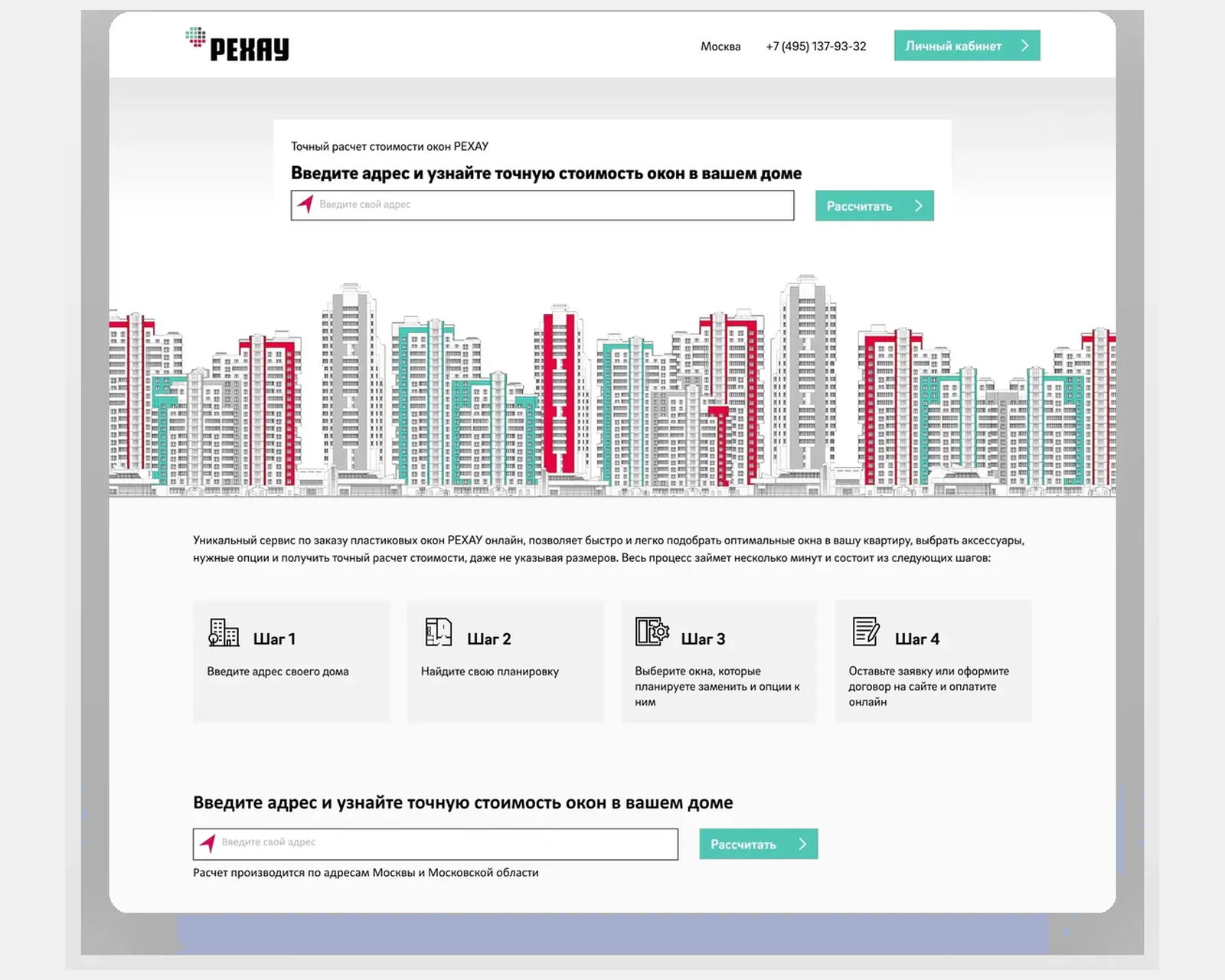
B2B e-commerce and product configurator for a global polymer manufacturer with multi-region pricing, stock and dealer workflows.
A high-throughput loan decision engine on Laravel — automated scoring, credit-bureau integration, and 10x faster decisions for US & EU lenders.
Why YuSMP
No engineer has direct terraform apply access to production. Atlantis enforces plan-review-apply via Git pull requests — every change is reviewed and logged.
Checkov, tfsec and Sentinel policies block non-compliant resources before they apply — not after the audit flags them.
AWS, Azure and GCP providers in the same Terragrunt monorepo — consistent PR workflow, module versioning and tagging across clouds.
FAQ
Terraform for clients with existing HashiCorp tooling or Terraform Cloud subscriptions. OpenTofu (the BSL-free fork) for new greenfield projects and clients who want to avoid HashiCorp's BSL licensing changes. Both use identical HCL syntax — migrating between them requires only a state backend configuration change.
Remote state in S3 (with DynamoDB lock table) or Terraform Cloud for AWS workloads, Azure Blob Storage for Azure. State locking prevents concurrent applies. We also separate state per environment (dev/staging/prod) and per major subsystem to minimise blast radius of failed applies.
Scheduled terraform plan in CI detects drift from out-of-band console changes. Atlantis flags drift in pull request comments. For critical resources we use AWS Config or Azure Policy to alert on manual changes in real time. Terraform Sentinel policies block non-compliant resources from being applied.
Terragrunt for DRY multi-environment configurations where you call the same module with different variable files per environment — avoids the variable repetition problem in flat Terraform. Raw modules for simpler stacks where Terragrunt's abstraction adds more complexity than it removes.
Every infrastructure change goes through a PR with plan output, human approval and apply log — stored in Git forever. We pipe Terraform run history and policy check results to your SOC 2 evidence repository. AWS CloudTrail confirms what Terraform actually created, giving auditors the source-of-truth and the confirmation.
We use provider version pinning, separate state backends per cloud, and a module naming convention that makes the provider obvious at a glance. Shared modules (tagging, DNS, monitoring) are provider-agnostic. Cloud-specific modules (EKS vs AKS vs GKE) are named and versioned separately.
Response within 1 business day. NDA on request.
Share a few details and a senior consultant will reply within one business day.