Cost sprawl across subscriptions
Azure resource costs accumulate across subscriptions without tag enforcement or budget alerts. Compute reservations are underused, and egress charges from inter-region traffic go unnoticed until the invoice arrives.
Azure's enterprise lineage — Active Directory integration via Entra ID, HIPAA BAA coverage, EU data residency regions and native compliance tooling — makes it the default cloud for regulated industries. We design and operate Azure environments for US and EU clients using AKS, App Service, Azure Functions, Cosmos DB and Azure SQL, with infrastructure-as-code via Bicep and Terraform and governance enforced from day one through Azure Policy and landing zone blueprints.
Azure's enterprise lineage — Active Directory integration via Entra ID, HIPAA BAA coverage, EU data residency regions and native compliance tooling — makes it the default cloud for regulated industries. We design and operate Azure environments for US and EU clients using AKS, App Service, Azure Functions, Cosmos DB and Azure SQL, with infrastructure-as-code via Bicep and Terraform and governance enforced from day one through Azure Policy and landing zone blueprints.
Azure resource costs accumulate across subscriptions without tag enforcement or budget alerts. Compute reservations are underused, and egress charges from inter-region traffic go unnoticed until the invoice arrives.
Proliferating service principals, managed identities and guest accounts accumulate excessive permissions over time. Without Privileged Identity Management and regular access reviews, every unused credential is a standing lateral-movement risk.
Azure resources can land outside approved EU regions if subscription-level guardrails are absent. A single misconfigured deployment can place personal data in a US region, triggering GDPR Article 44 cross-border transfer obligations.
Azure enforces a rolling end-of-support window for AKS Kubernetes versions, typically giving teams 12 months before a minor version becomes unsupported. Unmanaged clusters fall behind and accumulate CVEs with no straightforward upgrade path.
Enterprise Azure networks use hub VNets with shared Firewall and DNS. Misconfigured peering, missing UDRs or incorrect NSG rules cause silent connectivity failures that are difficult to diagnose across subscription boundaries.
Azure subscriptions provisioned ad hoc accumulate policy exceptions, untagged resources and missing diagnostic settings. Without a structured landing zone, every compliance audit starts from scratch and manual remediation dominates team time.
Azure landing zone built with Bicep or Terraform: management group hierarchy, Azure Policy assignments for region restrictions and tagging, Defender for Cloud baseline, centralized Log Analytics workspace and diagnostic settings on all resources from day one.
Multi-zone AKS clusters with managed node pools, KEDA autoscaling, Workload Identity replacing pod-managed identities, Azure CNI Overlay networking, Argo CD GitOps and cluster-wide observability via Azure Monitor Container Insights and Prometheus.
Web applications on App Service Plan with deployment slots for zero-downtime releases, VNet integration for private backend access, Application Gateway WAF in front, and event-driven workloads on Azure Functions with Durable Functions for long-running orchestrations.
Azure SQL with Elastic Pools, geo-replication and Always Encrypted for PHI columns; Cosmos DB with multi-region writes, partition key design review and RU provisioning optimisation to prevent hot-partition throttling.
Azure Monitor dashboards, Application Insights distributed tracing, Log Analytics alerts, Microsoft Sentinel SIEM with custom analytics rules, Defender for Cloud recommendations integrated into the CI/CD pipeline as policy gates.
Azure Cost Management budgets with email and Teams alerts per subscription, Reserved Instances for stable AKS node pools and Azure SQL, tag policy enforcement for per-team cost allocation, and monthly FinOps review with rightsizing recommendations from Azure Advisor.
GDPR EU data residency · HIPAA BAA-eligible · SOC 2 Type II-capable · PCI DSS-aware

Unified crypto-ecosystem hub aggregating multiple tokens — live exchange data, search, charts, direct purchase entry point.
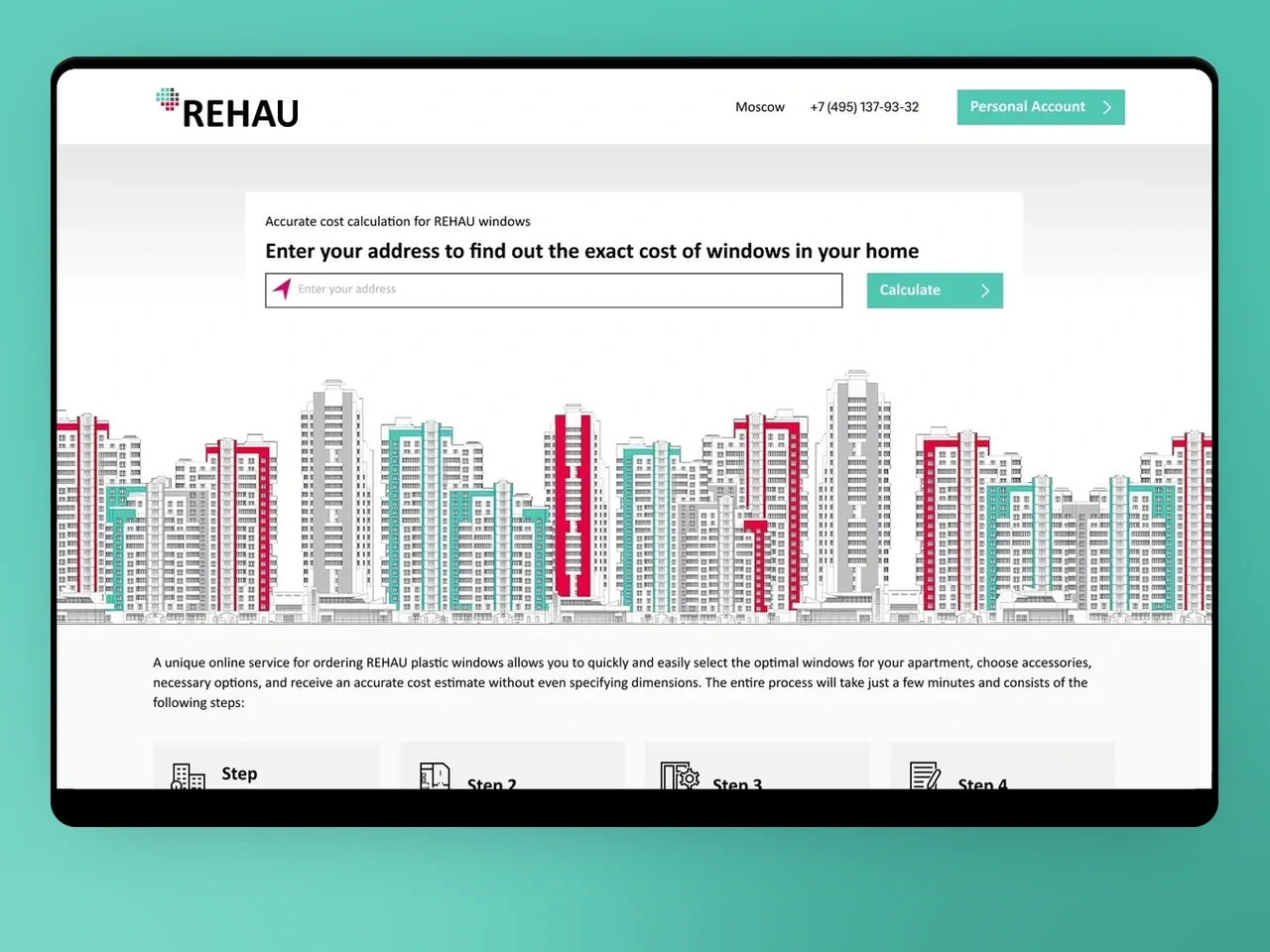
B2B e-commerce and product configurator for a global polymer manufacturer with multi-region pricing, stock and dealer workflows.
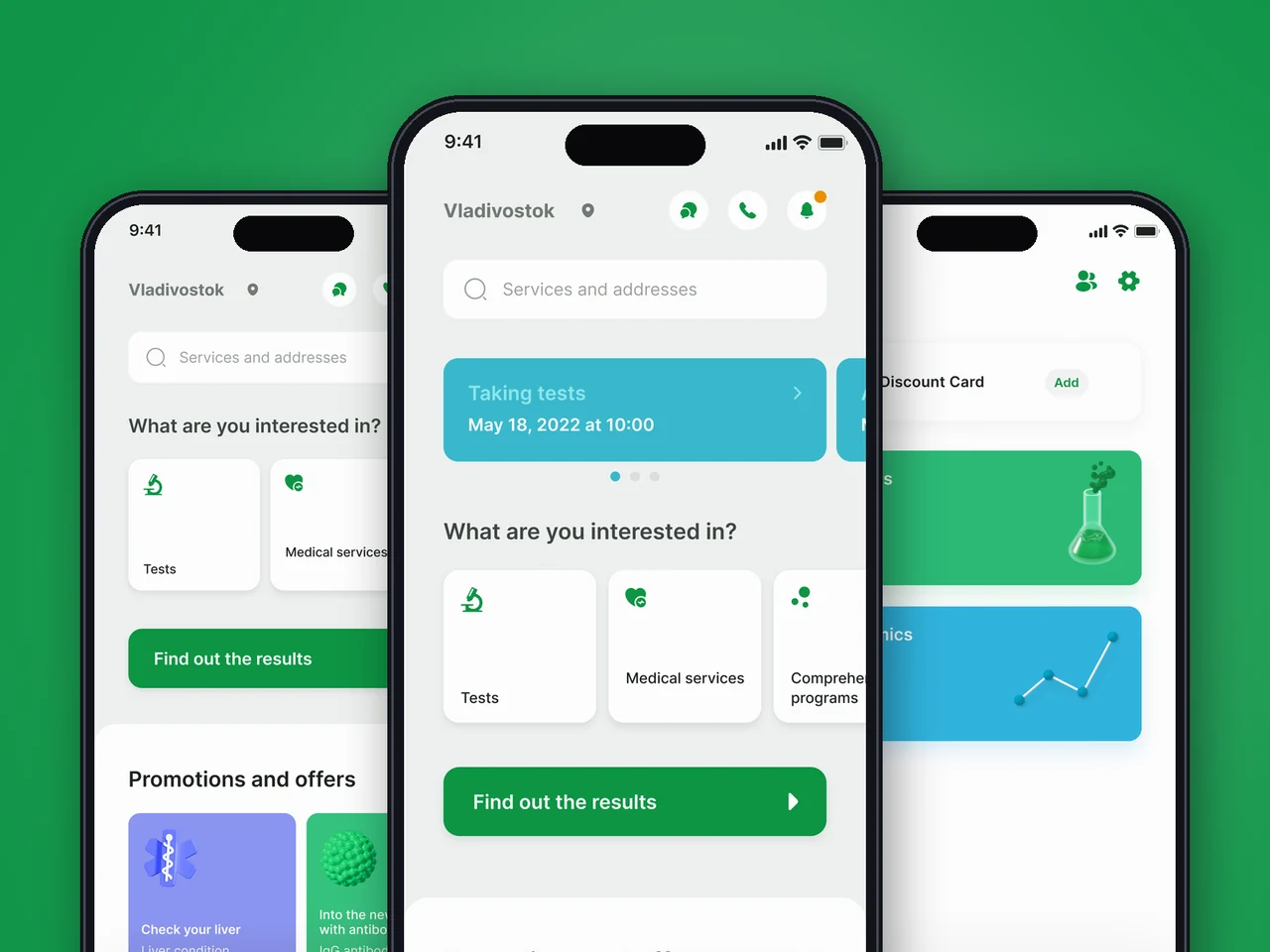
Patient app for a 40-city lab network — appointment booking, digital results, 2,500+ tests, scheduling and accounting integrations.
Aggregating live prices across multiple exchanges while keeping latency under 500 ms is genuinely hard engineering. YuSMP built the multi-exchange feed, real-time token charts, and listing workflow into a coherent platform. We have not had an outage since launch.
Managing appointments and test results across multiple cities on three platforms is genuinely complex. YuSMP solved a legacy integration problem we had been avoiding for two years and shipped a patient experience our NPS scores immediately reflected.
B2B commerce for a polymer products brand means complex product configurators, dealer pricing tiers, and order workflows that non-technical buyers must navigate. YuSMP built a platform our dealers adopted without a single training session. Order volumes through the portal doubled in year one.
A loan decision engine that takes ten times less time to approve does not happen by accident. YuSMP built the scoring pipeline, integration with credit bureaus, and a back-office that our underwriters actually enjoy using. Approval turnaround went from two days to under four hours.
1 / 4
Azure's built-in HIPAA BAA, EU data residency regions and native Azure Policy eliminate weeks of compliance groundwork. We configure Defender for Cloud, Sentinel and Key Vault in the first sprint so audits find evidence, not gaps.
Every Azure resource is declared in Bicep or Terraform — no manual console configuration enters production. GitOps pipelines deploy changes through pull requests with automated policy checks, making infrastructure changes reviewable and reversible.
We operate AKS clusters and Azure Functions in production for clients in fintech, healthtech and logistics. Upgrade schedules, KEDA autoscaling, Workload Identity and Durable Functions patterns are routine, not experimental.
FAQ
Neither is universally better. Azure is the natural choice when the client already uses Microsoft 365, Active Directory or Dynamics 365 — Entra ID federation, hybrid AD join and Azure Virtual Desktop integration are native. Azure also has the strongest HIPAA BAA language and broadest EU data residency coverage for regulated EU workloads. AWS has a larger service catalogue and more mature serverless ecosystem. We document the decision as an Architecture Decision Record based on existing tooling, regulatory requirements and team skills.
AKS for workloads that require custom Kubernetes operators, multi-tenant isolation at pod level, Helm chart portability or cross-cloud migration optionality. App Service for teams that want managed PaaS compute without Kubernetes operational overhead — autoscaling, deployment slots, TLS and VNet integration are handled by the platform. Azure Functions and Durable Functions suit event-driven and long-running orchestration workloads. Many architectures combine all three: App Service for the web tier, Functions for async processing, AKS for data-intensive microservices.
FinOps from the first sprint: Azure Cost Management budgets per subscription with Teams alerts, Reserved Instances for AKS system node pools and Azure SQL (1-year minimum for 30-40% savings), Azure Advisor rightsizing recommendations reviewed monthly, Blob Storage lifecycle tiers (Hot/Cool/Archive) with policy automation, and tag enforcement at subscription scope so every cost is allocated to a team or product. We set up a FinOps review cadence in the engagement kickoff, not as an afterthought.
Microsoft signs a HIPAA Business Associate Agreement covering Azure's eligible services. We implement: PHI encrypted at rest using customer-managed keys in Azure Key Vault (AES-256), TLS 1.2+ for all data in transit, audit logging via Azure Monitor Diagnostic Settings with immutable retention, Azure SQL Always Encrypted for PHI columns, network isolation through private endpoints and VNet integration, and Defender for Cloud continuous assessment. We produce a HIPAA compliance matrix mapping controls to Azure service configuration for each engagement.
We enforce EU data residency at the Azure Policy level: a deny policy at management group scope blocks resource creation outside approved EU regions (West Europe, North Europe, Germany West Central). Terraform variable sets reference region variables that resolve to EU-only values for EU subscriptions. Cosmos DB and Azure SQL geo-replication targets are restricted to the same EU region set. Data residency is tested in CI — any Terraform plan that would place resources outside the approved region list fails the pipeline before it reaches production.
A landing zone is a pre-configured Azure environment — management group hierarchy, subscription structure, Azure Policy assignments, networking baseline and centralised logging — that new workloads deploy into rather than building from scratch. Without one, each project makes independent infrastructure decisions, compliance controls are inconsistent, and audit remediation is manual. We deliver an opinionated landing zone in Bicep or Terraform in the first two weeks of an engagement, sized for your current workload count with room to grow.
Yes. For on-premises migrations we use Azure Migrate for discovery and assessment, Azure Database Migration Service for SQL Server and PostgreSQL workloads, and Azure Site Recovery for VM lift-and-shift. For AWS-to-Azure migrations we replatform containerised workloads from EKS to AKS, migrate RDS to Azure SQL or Cosmos DB, and replace Lambda with Azure Functions where appropriate. Typical timeline: 2 weeks discovery, 4 weeks proof-of-concept, 8-16 weeks production migration depending on workload count and complexity.
Tell us where you want to be in twelve months. We’ll come back with a plan to get you there.
Response within 1 business day. NDA on request.
Share a few details and a senior consultant will reply within one business day.
Email: sales@yusmpgroup.com
Phone: +374 44 871 811
Offices: KAMAR Business Center, Vazgen Sargsyan St. 2, Yerevan, Armenia · Remote — East-Coast US overlap (9 AM–1 PM ET)