.NET Framework lock-in
System.Web dependencies, COM interop and Windows-only libraries block migration to .NET 8. We assess compatibility early and design strangler-fig migration paths module by module.

.NET 8 Azure SOC 2-ready Enterprise
.NET 8 underpins our enterprise engagements — REHAU's B2B portal bridging ASP.NET Core to SAP, Signatory Pro's e-signature CRM with GDPR audit trails, ANT's B2B admin console with multi-tenant RBAC. Senior C# architects, Azure and AWS dual-cloud, SOC 2-aligned delivery. Ready to staff up? See our .NET development services and dedicated teams.

We deliver .NET 8 engineering for enterprise product teams building API platforms, SaaS portals and B2B workspaces; organisations modernising .NET Framework 4.x systems to .NET 8 using strangler-fig migrations; regulated industries — fintech, healthtech, legaltech — where SOC 2-aligned controls, GDPR audit trails and enterprise SSO are delivery requirements; and teams integrating .NET with SAP, Dynamics 365, SharePoint and Power Platform. Azure and AWS — both supported with equal depth.
Challenges
System.Web dependencies, COM interop and Windows-only libraries block migration to .NET 8. We assess compatibility early and design strangler-fig migration paths module by module.
Lazy loading N+1 and missing AsNoTracking on read-only queries degrade performance at scale. We audit with EF Core logging, add explicit includes and switch read paths to Dapper.
ERP APIs change with upgrade cycles and break .NET integrations silently. We wrap integrations in anti-corruption layers with contract tests that alert before an ERP upgrade hits production.
Large ASP.NET Core applications with many DI registrations have 15+ second cold starts on Lambda and Azure Functions. We profile startup with dotnet-trace and split into appropriately scoped modules.
Async message flows across NestJS front-ends and .NET backends lose trace context at the boundary. We propagate OpenTelemetry W3C Trace Context across all service boundaries.
Visual Studio, SQL Server and third-party .NET library costs accumulate invisibly. We baseline the licence inventory and recommend open-source alternatives where they meet functional requirements.
Solutions
REST and gRPC APIs with OpenAPI documentation, OAuth2/OIDC auth, Polly resilience and OpenTelemetry observability.
Strangler-fig migration with module-by-module cutover, Playwright regression coverage and zero production downtime.
SAP RFC/REST, Dynamics Dataverse, SharePoint Graph API and Power Platform SDK — wrapped in anti-corruption layers.
Internal admin portals and B2B workspaces — Blazor Server for low-latency interactive UIs, Razor Pages for simpler CRUD workflows.
IHostedService, Hangfire, MassTransit — scheduled jobs, queue consumers and event-driven processing with retry and dead-letter handling.
AKS, Azure App Service, Azure Functions, Azure Service Bus and Key Vault — Terraform-managed, GitOps-deployed.
Stack
.NET 8, ASP.NET Core, EF Core 8, Dapper, MediatR, FluentValidation, MassTransit, Polly, Serilog, OpenTelemetry, Azure SDK, SignalR, Hangfire.
Compliance
GDPR-aligned · SOC 2-capable · HIPAA-capable · CCPA-acknowledged
Shared: OWASP Top 10, SBOM via NuGet audit, secrets in Key Vault / Secrets Manager.
Cases
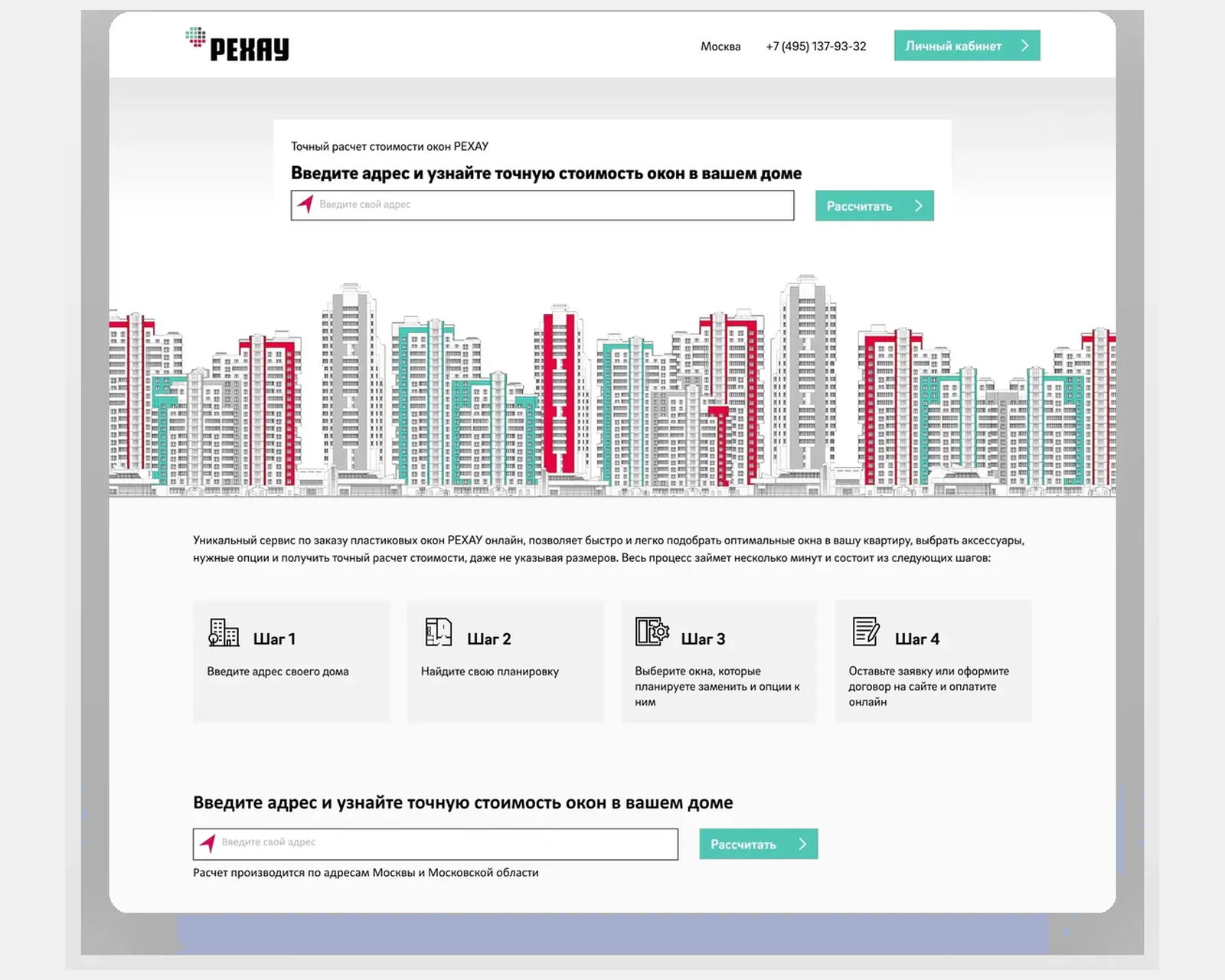
B2B e-commerce and product configurator for a global polymer manufacturer with multi-region pricing, stock and dealer workflows.
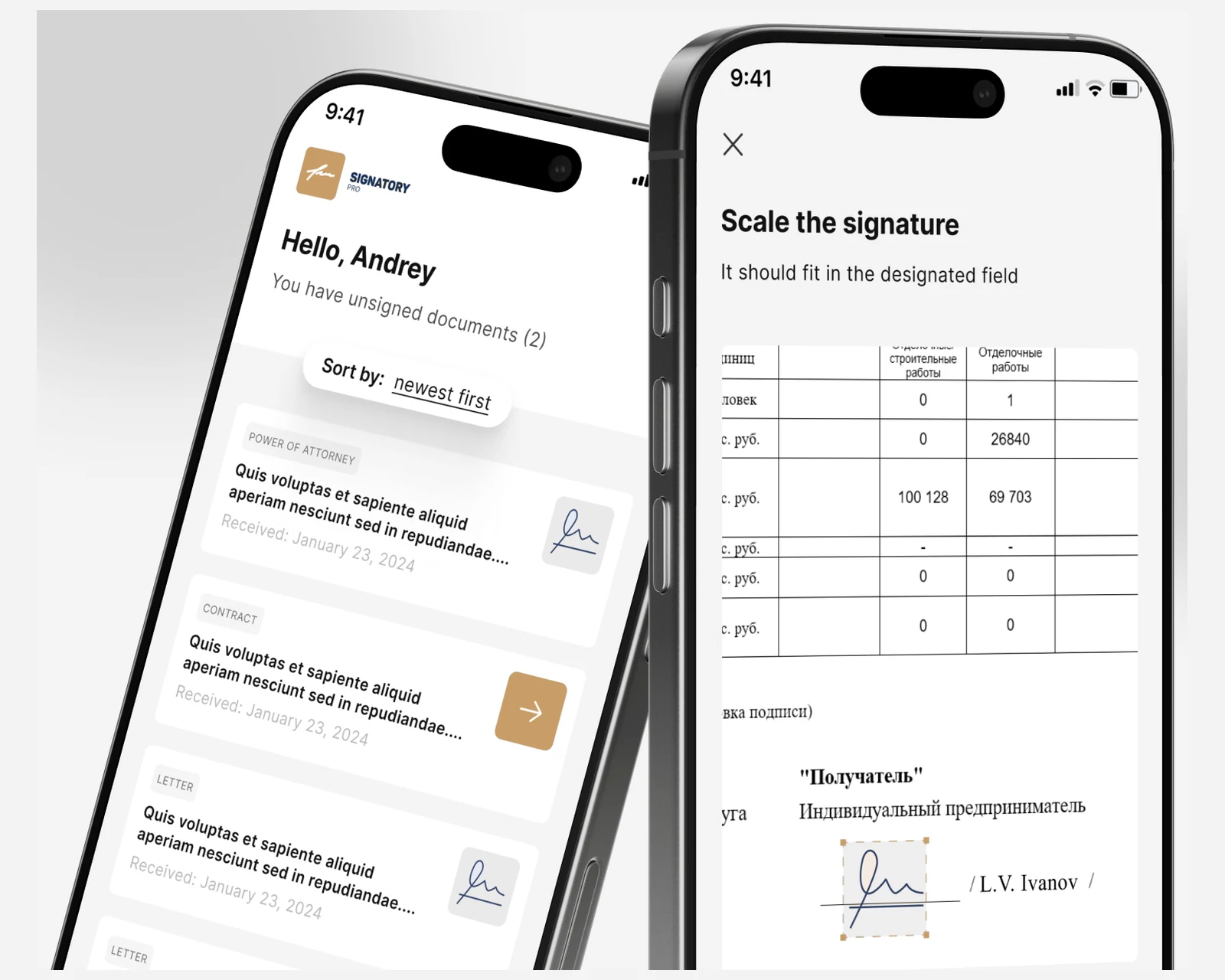
Native iOS and Android e-signature clients with a Symfony + React CRM for a cross-border law firm — KYC onboarding and a defensible evidence trail for US & EU matters.
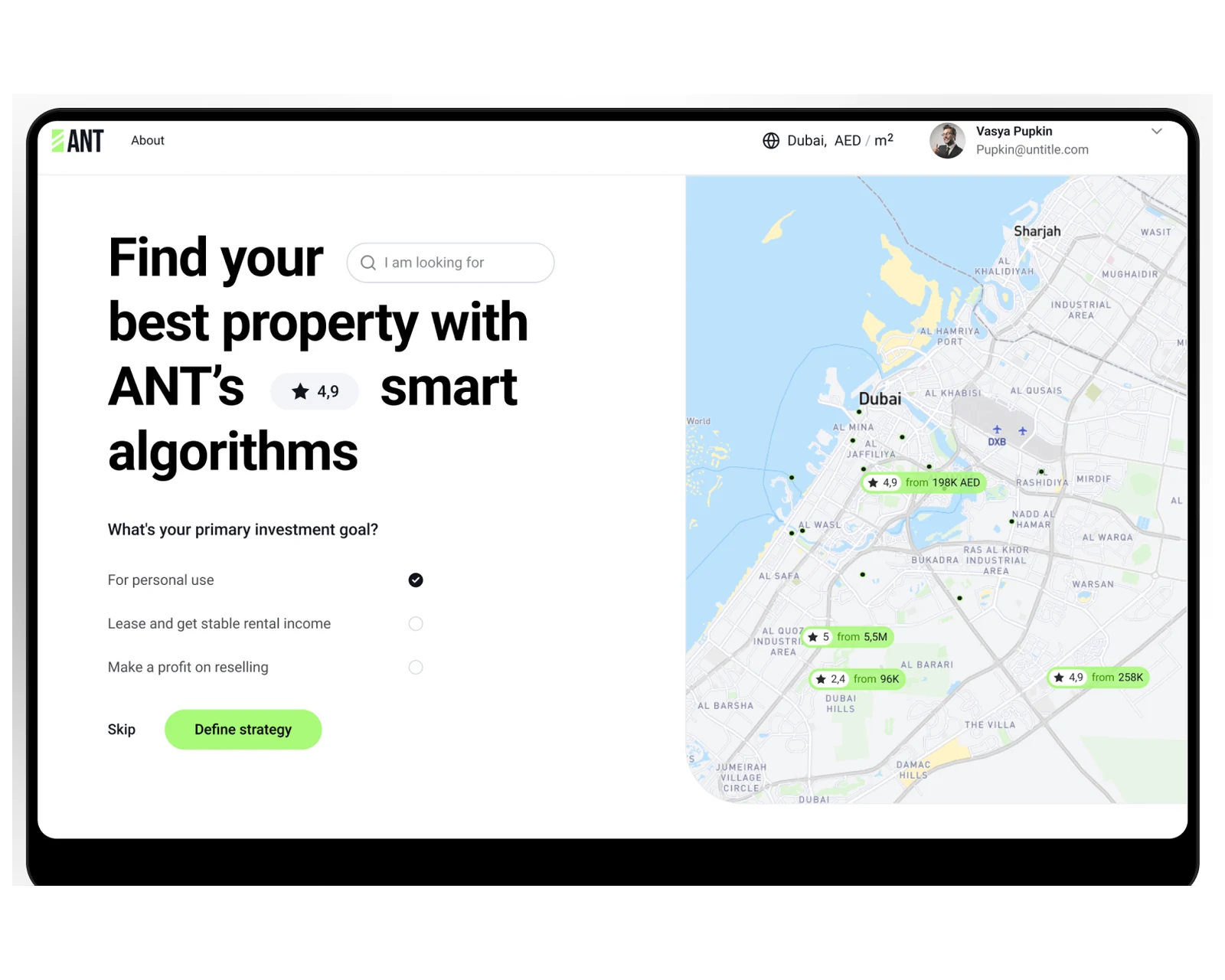
Property marketplace web platform with listing CMS, search and B2B admin console for US and EU operators.
Why YuSMP
Engineers who have designed EF Core domain models, MediatR pipelines, MassTransit topologies and .NET Framework → .NET 8 migration paths from real enterprise engagements.
AKS, Azure App Service and Key Vault on Azure; EKS, ECS and Secrets Manager on AWS — same Terraform toolchain, same GitOps pipeline.
Serilog structured event logs, audit trail schemas and Key Vault secret rotation wired into every enterprise .NET engagement from day one.
FAQ
Yes. We assess compatibility using the .NET Upgrade Assistant, identify breaking changes in System.Web dependencies, COM interop and third-party library compatibility, then migrate module by module using the strangler-fig pattern. Typical migrations take 8–24 weeks depending on codebase size and legacy dependency surface.
Minimal APIs for microservices and lightweight API endpoints — less ceremony, better performance, simpler testing. MVC Controllers where you need action filters, complex model binding or a team already familiar with the convention. We document the choice in an ADR.
SAP: RFC/BAPI calls via SAP .NET Connector or REST APIs via SAP Business Technology Platform integration. Dynamics/Power Platform: Microsoft Graph API, Dataverse Web API and the official Power Platform SDK. We wrap integrations in anti-corruption layers to isolate business logic from ERP schema changes.
EF Core for new projects with complex domain models, change tracking and migrations. Dapper for performance-critical read paths, reporting queries and existing databases where EF's conventions fight the schema. Many production codebases use both: EF for writes, Dapper for reads.
IHostedService or BackgroundService for simple scheduled and queue-consumer scenarios. Hangfire or Quartz.NET for distributed job scheduling with retry, dashboards and persistent job state. MassTransit with Azure Service Bus or RabbitMQ for event-driven background processing at scale.
ASP.NET Core's built-in middleware for authentication (OAuth2/OIDC via IdentityModel or Microsoft Identity Web), authorisation (policy-based), CORS, CSRF and rate limiting. Secrets in Azure Key Vault or AWS Secrets Manager via the .NET configuration provider. Structured audit logging via Serilog with event IDs that map to SOC 2 control evidence.
Response within 1 business day. NDA on request.
Share a few details and a senior consultant will reply within one business day.