Goroutine leak under load
Goroutines blocked on channel receives or network calls accumulate silently. We instrument with runtime.NumGoroutine metrics and run goleak in integration tests to catch leaks before production.

gRPC WireGuard Kubernetes-native SOC 2-ready
Go is our default for latency-critical, memory-efficient workloads where Node.js is too slow and Java is overkill. LiMP's WireGuard VPN backend serves consumer-scale traffic with deterministic microsecond latency. xRouten's logistics gateway handles real-time driver telemetry with sub-millisecond response times. JoyJet's presence and geolocation service processes thousands of concurrent connections with minimal RAM.

We deliver Go engineering for VPN and network-layer applications requiring WireGuard or custom protocol implementations, telematics and IoT ingest services processing high-frequency sensor streams, gRPC microservices exposing typed contracts to Node.js, Python and mobile consumers, and high-throughput API gateways and proxy layers where Go's zero-GC-pause profile matters. Go is not our default stack — we choose it deliberately when its performance characteristics justify the smaller ecosystem compared to Node.js or Python.
Challenges
Goroutines blocked on channel receives or network calls accumulate silently. We instrument with runtime.NumGoroutine metrics and run goleak in integration tests to catch leaks before production.
Go's explicit error returns create verbose chains that obscure business logic. We use pkg/errors or Go 1.20+ error wrapping, centralise error logging at service boundaries and keep handler code clean.
GORM's magic diverges from Go's explicit style and creates N+1 traps. We use sqlc for type-safe generated queries from SQL definitions, keeping SQL explicit and Go idiomatic.
CGO dependencies break cross-compilation and bloat container images. We avoid CGO where possible, use distroless base images and multi-stage builds for sub-20MB production images.
go.sum provides integrity but not CVE awareness. We run govulncheck in CI and schedule weekly dependency review PRs from Renovate.
Stack traces in goroutine panics are hard to correlate. We propagate context with trace IDs through every goroutine boundary and instrument with OpenTelemetry from day one.
Solutions
WireGuard gateway daemons, TUN/TAP interfaces, custom protocol implementations and NetworkExtension bridge services.
Protocol Buffer API definitions, typed Go and TypeScript client generation, interceptor chains for auth, tracing and rate limiting.
Reverse proxies, request routing layers and API aggregators handling tens of thousands of concurrent connections.
High-frequency sensor stream ingestion, protocol parsing (MQTT, WebSocket, binary), time-series buffering and Kafka produce pipelines.
Production CLIs with Cobra, structured config, cross-platform builds and single-binary distribution — for internal tooling and developer platforms.
Crypto utilities, certificate management tooling, mTLS enforcement layers and zero-trust network segment controllers.
Stack
Go 1.23, Chi, Echo, gRPC, protobuf, buf.build, sqlc, pgx, NATS, Wire, OpenTelemetry, Cobra, Docker distroless, Kubernetes.
Compliance
GDPR-aligned · SOC 2-capable · HIPAA-capable · CCPA-acknowledged
Shared: OWASP ASVS L2, govulncheck in CI, SBOM via syft, FIPS 140-2 crypto where required.
Cases
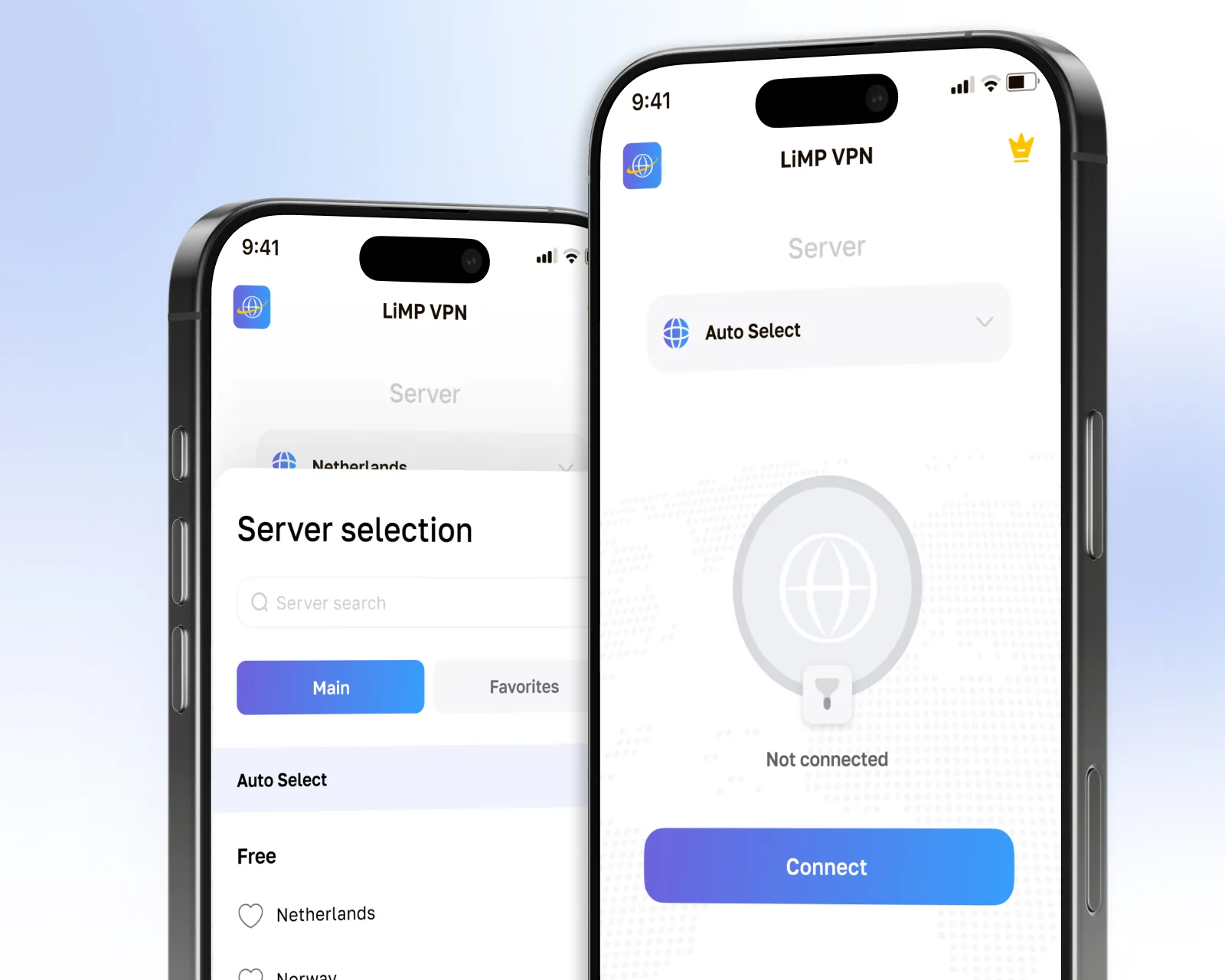
Consumer WireGuard VPN app for iOS and Android with zero-log architecture, launched across the US and EU.
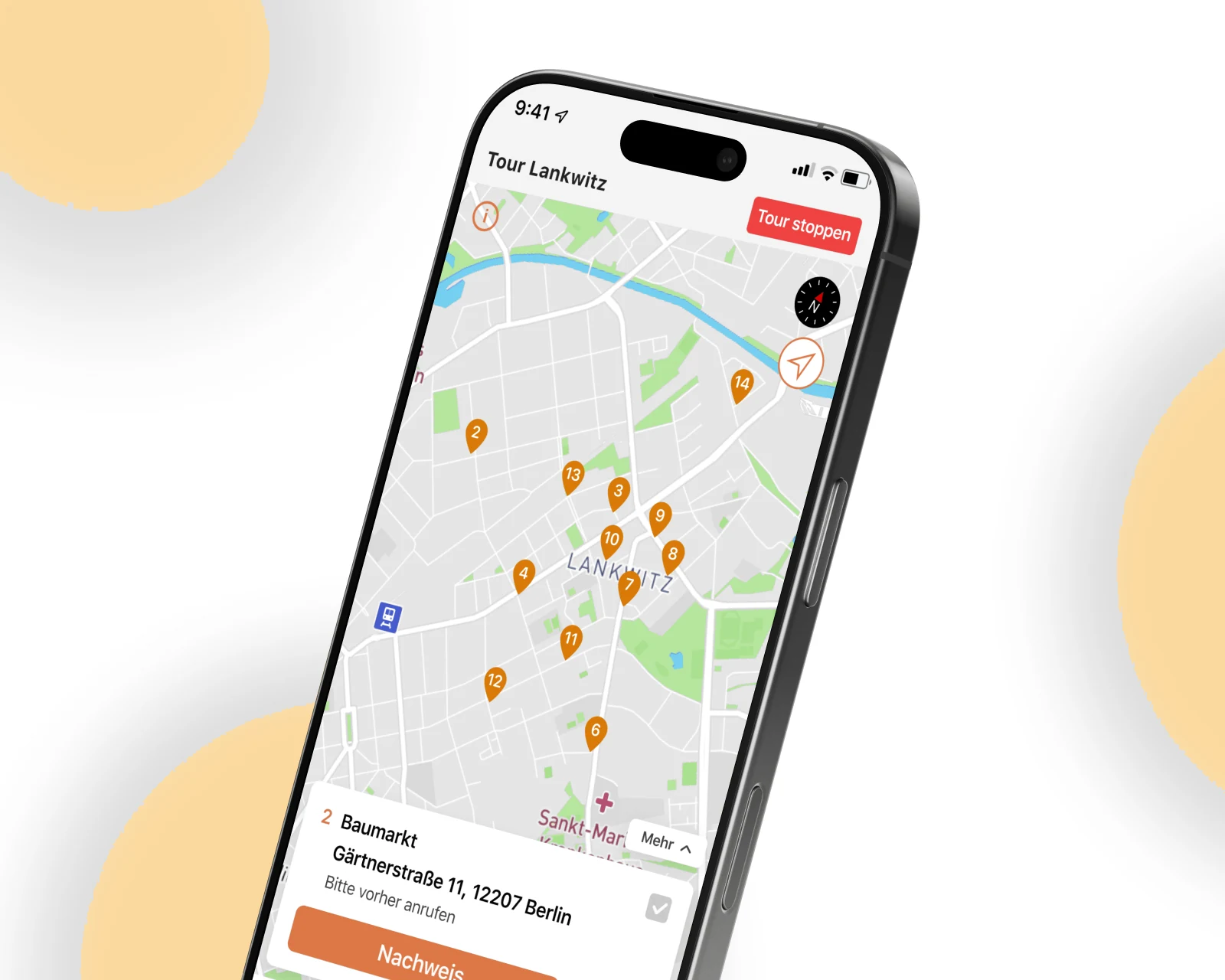
Android + iOS refactor and rebuild for a German last-mile logistics operator — multi-point route planning, real-time driver tracking and in-app invoicing live in the EU.

Production social platform — App Store + Google Play, live across the US and EU — with geo Radar, encrypted messaging and a virtual economy.
Why YuSMP
LiMP is a consumer VPN serving real users — WireGuard kernel and userspace implementations, TUN interfaces, split tunneling and zero-log architecture in Go.
We write explicit SQL and generate type-safe Go code — no ORM magic, no N+1 surprises, no auto-migration on production startup.
Go production images under 20MB with no shell, no package manager and no attack surface beyond the binary — standard in our Go deployment pipeline.
FAQ
Go for workloads where deterministic latency, predictable memory profiles and CPU efficiency matter — VPN gateways, gRPC services, high-throughput API proxies, telematics ingest. Node.js where the team is already TypeScript-fluent and I/O-bound throughput is the primary concern. Python for AI/ML where the library ecosystem is the priority.
stdlib net/http + Chi for most projects — minimal abstraction, clear routing, zero magic. Echo for teams that want middleware composability and built-in validation. Fiber for high-throughput scenarios where fasthttp's zero-allocation model pays off. We avoid heavy frameworks that obscure Go's simplicity.
Protocol Buffers for IDL, protoc with buf.build toolchain for code generation, grpc-go with interceptors for auth, tracing and rate limiting. We generate typed clients for both Go and TypeScript/Node.js consumers from the same proto definitions.
Channel-based message passing as the primary pattern, mutexes only when channels introduce unnecessary complexity, sync.Map for concurrent read-heavy maps. We lint with go vet and golangci-lint's staticcheck and errcheck rules, and run the race detector in CI on every PR.
Scratch or distroless base images (typically under 20MB), multi-stage Dockerfile builds, graceful shutdown on SIGTERM with a configurable drain period, health and readiness probes on separate ports, structured JSON logs to stdout for log aggregation.
Go modules with go.sum integrity verification, govulncheck for CVE scanning in CI, Dependabot or Renovate for automated dependency PRs, and a private module proxy for internal packages. We pin direct dependencies and review indirect dependency updates on a scheduled cadence.
Response within 1 business day. NDA on request.
Share a few details and a senior consultant will reply within one business day.