Circular dependency tangles
Large NestJS codebases accumulate circular module dependencies that cause startup errors. We enforce unidirectional dependency graphs with eslint-plugin-import and resolve existing cycles during module audits.

Modular monolith OpenAPI TypeScript SOC 2-ready
NestJS is our default TypeScript backend framework — DI containers, Swagger out of the box, decorators that make API contracts explicit, and a clean path to microservices extraction when scale demands it. ANT's PropTech marketplace, REHAU's SAP integration gateway, JoyJet's real-time social backend — all on NestJS.

We deliver NestJS engineering for SaaS product teams building modular API backends, multi-tenant platforms needing tenant-context isolation at the module boundary, regulated industries requiring audit-grade event logging and SOC 2-aligned access controls, and enterprise teams integrating NestJS with Kafka, RabbitMQ, SAP and third-party APIs. TypeScript-first, Prisma-wired, OpenAPI-documented, Kubernetes-deployed.
Challenges
Large NestJS codebases accumulate circular module dependencies that cause startup errors. We enforce unidirectional dependency graphs with eslint-plugin-import and resolve existing cycles during module audits.
Field resolvers without DataLoaders issue one database query per parent entity. We instrument with Apollo plugin metrics, identify hot resolver paths and add DataLoader batching.
Heavy DI graphs with hundreds of providers slow Lambda cold starts. We profile startup with NestJS debug mode, lazy-load non-critical modules and use Fastify adapter for lower baseline overhead.
Incorrect guard execution order allows requests through that should be blocked. We write integration tests that verify every auth and validation guard fires in the expected sequence.
Singleton providers holding request-scoped state (e.g., tenant context) leak between concurrent requests. We scope providers explicitly and test with concurrent load in staging.
Concurrent schema changes by multiple developers produce conflicting Prisma migrations. We gate migration generation in CI and use shadow databases for validation before merge.
Solutions
Domain-module architecture with shared libraries, DI hierarchies and OpenAPI documentation — ready to extract modules to microservices when traffic demands.
Tenant module, request-scoped DI, Prisma RLS integration and per-tenant rate limiting — isolation enforced at module boundaries.
Code-first GraphQL with NestJS, DataLoaders, subscriptions and schema-stitching for federated APIs.
Kafka and RabbitMQ consumers with idempotent processing, dead-letter queues and BullMQ for internal job queues.
OAuth2/OIDC guards, JWT validation, policy-based RBAC and audit-log interceptors — wired at the module level.
Module-by-module migration from Express with DI refactor, Swagger annotation and Prisma migration running in parallel with the existing stack.
Stack
NestJS, TypeScript, Prisma, GraphQL, Apollo Server, BullMQ, Socket.io, Passport, class-validator, class-transformer, Swagger/OpenAPI, Kafka, Jest, Supertest.
Compliance
GDPR-aligned · SOC 2-capable · HIPAA-capable · CCPA-acknowledged
Shared: OWASP API Security Top 10, SBOM via npm audit, secrets in Vault.
Cases
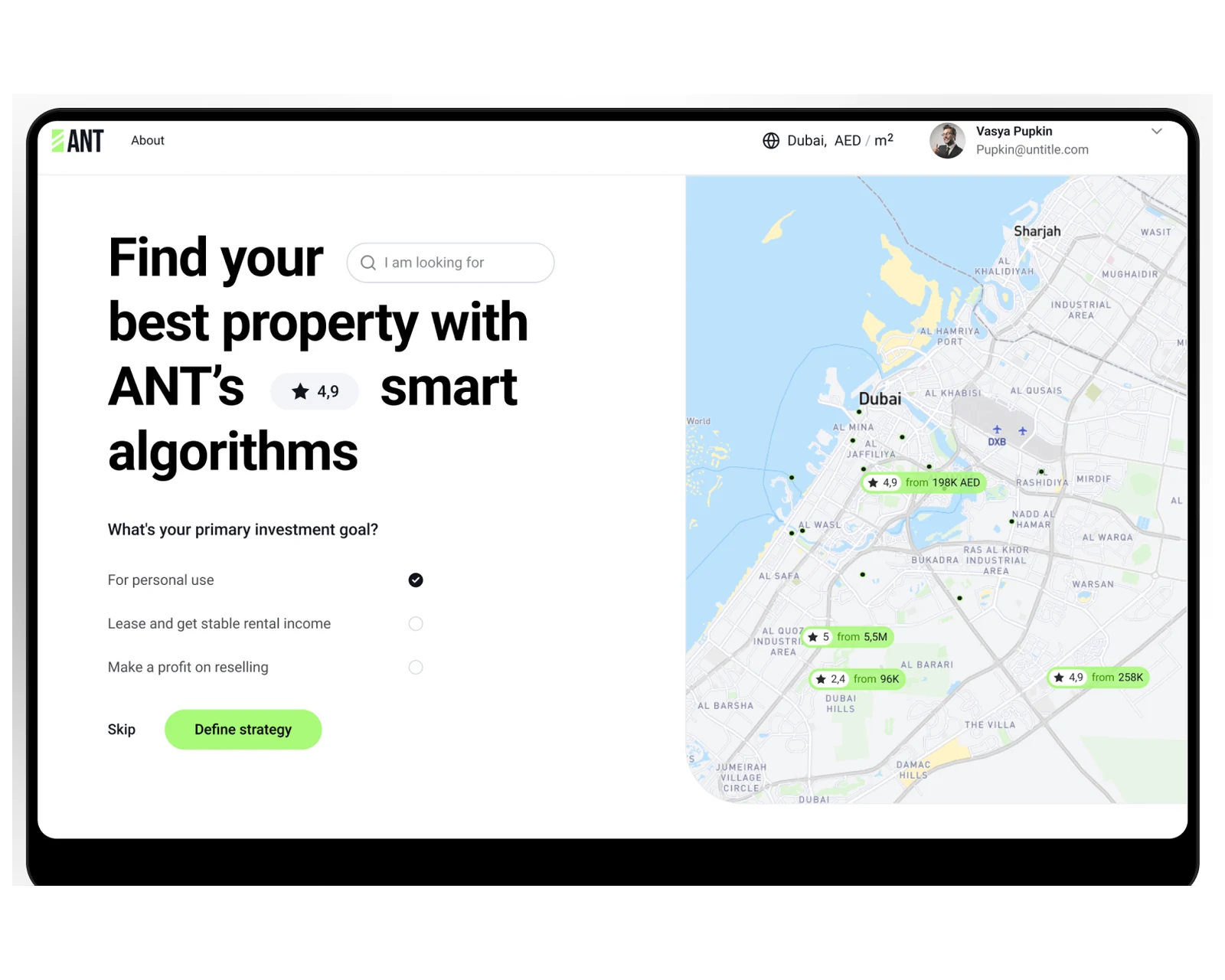
Property marketplace web platform with listing CMS, search and B2B admin console for US and EU operators.
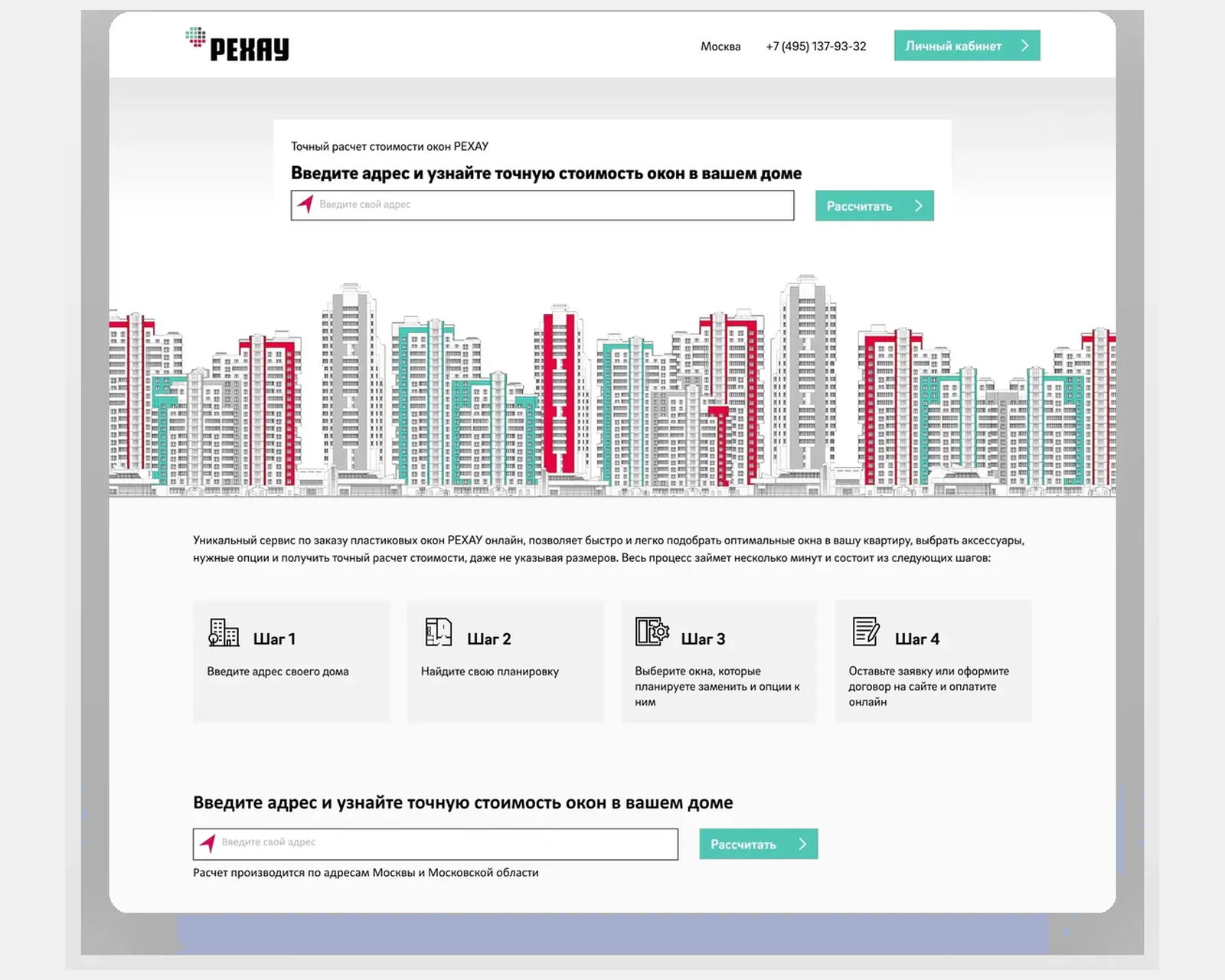
B2B e-commerce and product configurator for a global polymer manufacturer with multi-region pricing, stock and dealer workflows.

Production social platform — App Store + Google Play, live across the US and EU — with geo Radar, encrypted messaging and a virtual economy.
Why YuSMP
Senior engineers who have drawn NestJS module boundaries from scratch, designed DI hierarchies and documented extraction paths to microservices — not just followed default file templates.
We have designed Prisma schemas for multi-tenant SaaS, managed shadow databases in CI and built migration strategies for live production databases.
Every NestJS API ships with a generated Swagger UI, typed OpenAPI client and contract tests — API documentation is a CI artefact, not a wiki page.
FAQ
Modular monolith first. NestJS modules provide clean domain boundaries, DI isolation and a clear extraction path to microservices when scale demands it — without the distributed system overhead from day one. We design module boundaries explicitly and document them as ADRs, so extraction is a three-sprint effort when you need it.
A TenantModule that intercepts requests, resolves tenant context from JWT or subdomain, sets request-scoped DI providers and wires Row-Level Security context to the database connection. Tenant isolation is enforced at the module boundary, not scattered across services.
Prisma for new projects — type-safe client generated from schema, excellent migrations, no runtime reflection overhead. TypeORM for projects already using it or teams that prefer ActiveRecord patterns. We migrate TypeORM codebases to Prisma incrementally, table by table.
Code-first with @nestjs/graphql and Apollo Server — TypeScript decorators generate the schema, DataLoaders handle N+1, subscriptions via WebSocket for real-time. Schema-first for teams with existing GraphQL contracts they must honour.
Unit tests with Jest for individual services and use-case classes. Integration tests using @nestjs/testing module with a real database in Docker — we avoid heavy mocking of infrastructure. e2e tests with Supertest against the running HTTP server. Controller and guard tests inline with the feature being tested.
NestJS microservice transport for Kafka and RabbitMQ with @MessagePattern and @EventPattern decorators. BullMQ for within-application queues where full Kafka setup is overhead. We design idempotent consumers and dead-letter queues for every event-driven flow.
Yes, via @nestjs/platform-express adapter on Lambda with serverless-http, or Fastify adapter with lower cold-start overhead. We cache the NestJS application instance across invocations to amortise bootstrap cost. For Lambda, Warm Architecture (provisioned concurrency) eliminates cold starts for latency-sensitive APIs.
Response within 1 business day. NDA on request.
Share a few details and a senior consultant will reply within one business day.