Discovery & threat model
Threat model (who is the user defending against — phishing operator, malicious admin, exchange-listing scams), no-custody invariants, GDPR + CCPA posture mapping, USDT settlement review.
Case study · Crypto Trading · Web
How we shipped a production crypto trading platform — live on the web, serving audiences across the United States and the European Union — built on Laravel and React with USDT-denominated buy/sell, admin-managed dynamic token pricing, a 9-day live chart, and an audit-ready architecture that holds up to GDPR and CCPA scrutiny from day one.
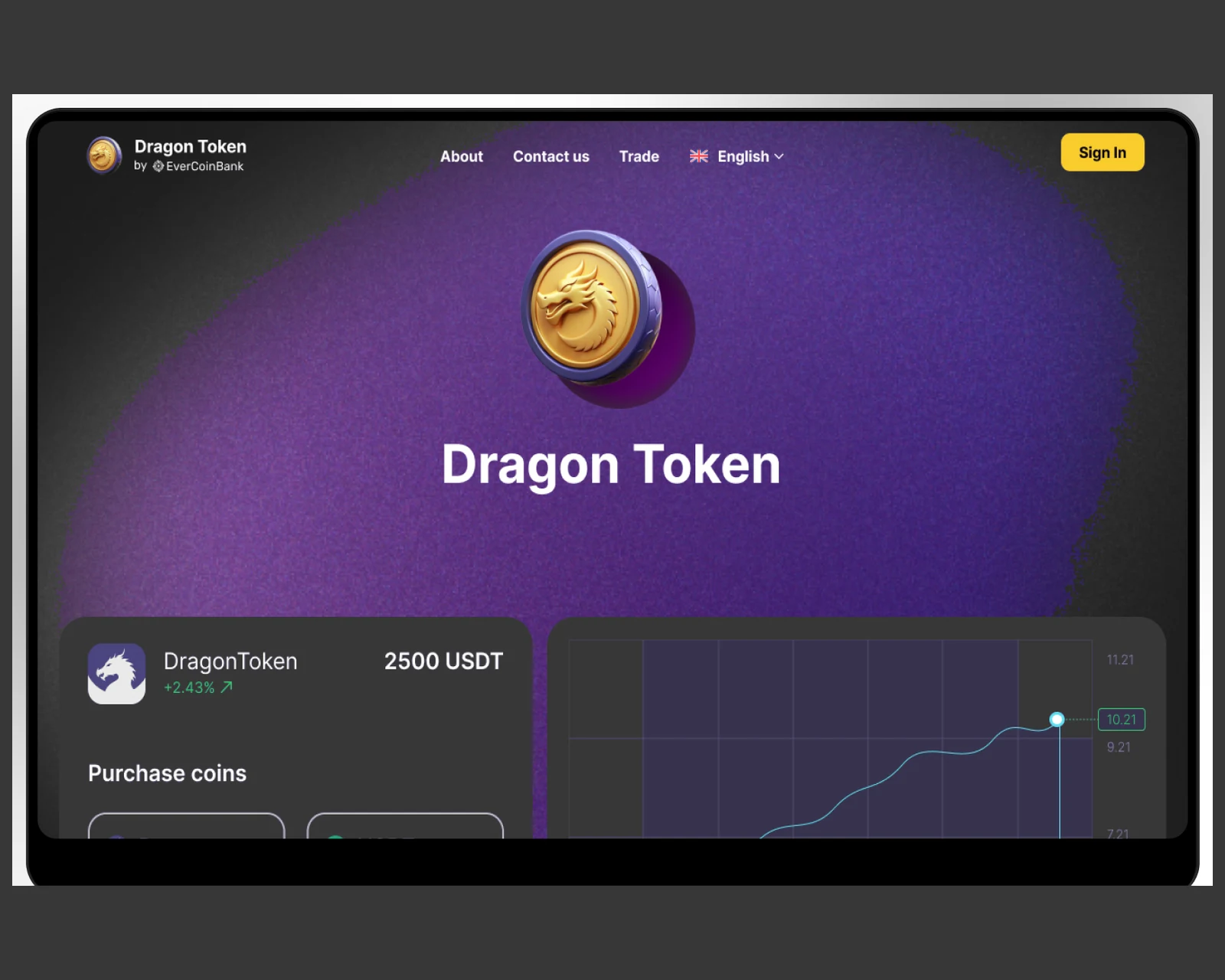
The Dragon Token product team needed a crypto trading platform that did not feel like a 2017 ICO throwback — no jankily-integrated white-label exchange widget, no orphaned admin console, no opaque pricing. The core insight was that the modern consumer crypto buyer in the United States and the European Union does not just want a buy button — they want a defensible price-discovery story, a transaction history they can audit, and an admin layer the operating team can drive without a deploy. We built the Dragon Token platform from first principles as a web application: a thin React trading UI, a Laravel control plane that owns identity, entitlements, and pricing, and a USDT-denominated wallet flow that keeps the platform's on-chain exposure surface as small as possible. The product is operated by EverCoinBank, the issuer behind YuSMP Group's portfolio of token cases, and is positioned for audiences across the US and EU under GDPR and CCPA expectations from day one.
A snapshot of what the Dragon Token Platform build delivered across the web trading client and the Laravel admin console for audiences in the US and EU.
The stack decision dominates every other architectural choice in a crypto trading platform build. We chose Laravel on the backend and React on the frontend because the trade-offs line up cleanly with a 2023-era greenfield product that needs an honest admin layer on day one. Laravel ships with a battle-tested permission model, queue workers, Horizon-grade observability, and a 1st-party admin tooling story (Nova, Filament) that a Node + Express stack has to reinvent for every project. React gives the trading UI a chart-component ecosystem — Recharts, Chart.js, lightweight-charts — that lets a small team ship a credible price chart without a SaaS dependency.
Pure Solidity-first stacks — the kind that treat the smart contract as the entire product — were eliminated early: the product is a custodial USDT trading surface, not a fully on-chain DEX, and pushing every price update to a contract would have made admin-managed dynamic pricing prohibitive. Going with Laravel + React meant the entire stack — trading client, control plane, admin console — is open, citable, and operable by a small product team end-to-end.
| Dimension | Laravel + React (Dragon Token) | Node + Solidity-first | White-label exchange widget |
|---|---|---|---|
| Admin layer maturity | Nova / Filament + Laravel policies out of the box | Hand-rolled per project | Vendor-controlled — opaque |
| Permission model | First-class role / policy primitives | Bring-your-own (Passport, RBAC libs) | Vendor presets only |
| Queue / async work | Built-in Laravel queues + Horizon | BullMQ + manual ops | N/A — abstracted away |
| Price control | Admin sets price — sub-second propagation | Requires off-chain oracle integration | Vendor pricing — not operator-controlled |
| Custody surface | No seed material on-platform | Often includes hot-wallet store | Vendor-custodial — trust transferred |
| Time to MVP | 10–14 weeks typical | 16–24 weeks — more from-scratch work | 2–4 weeks but vendor-locked |
| Auditability | Open source — full chain of custody | Open but high surface area | Black box — vendor-controlled |
Stack references: Laravel documentation, React documentation, USDT transparency reports.
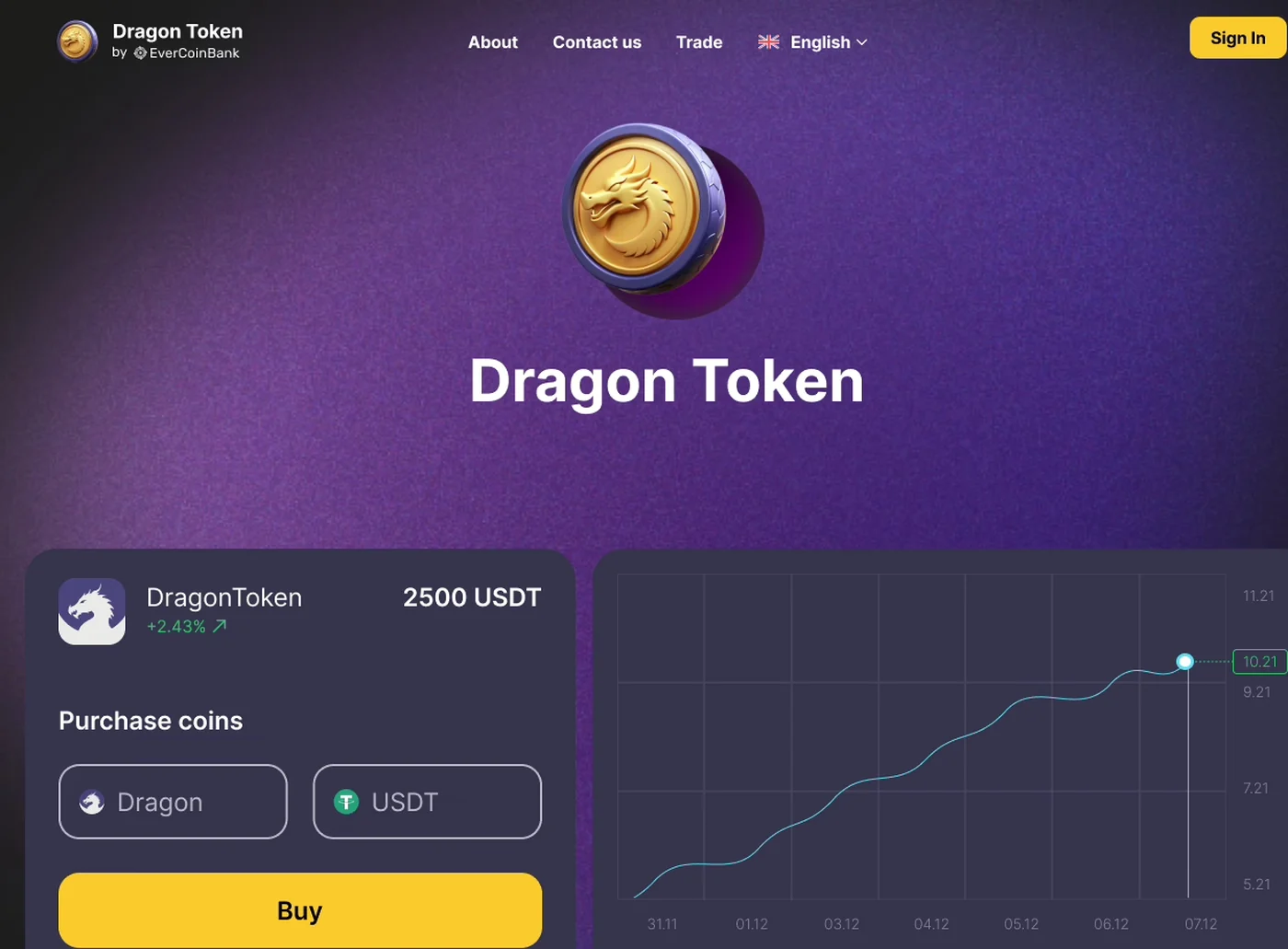
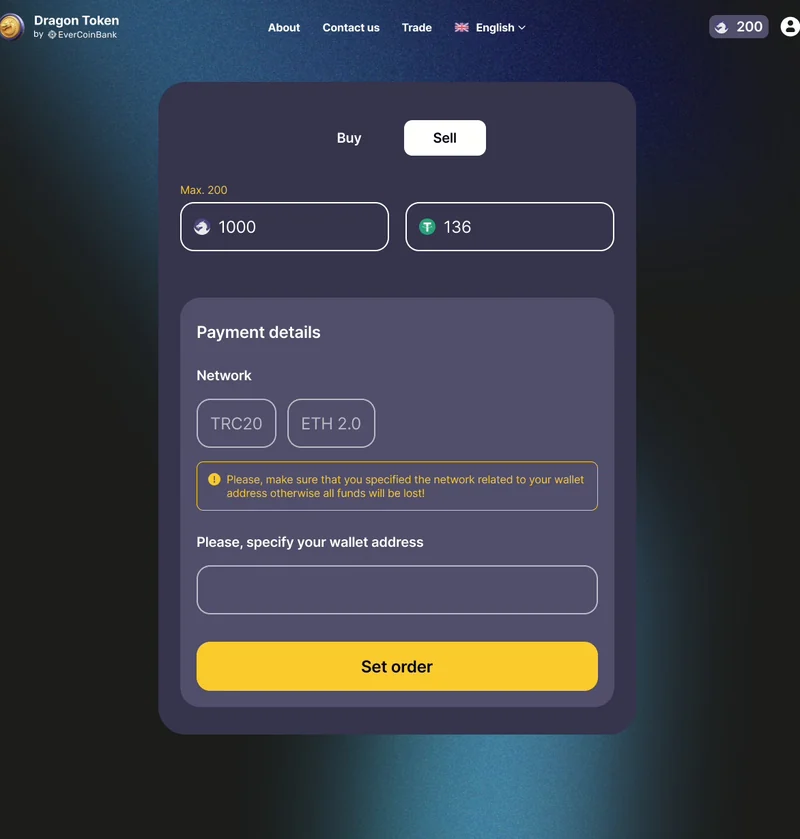
The React trading client is built as a single-page application served from a Laravel route. The entire user-facing surface collapses into four states — idle, buying, selling, confirming — and the home view is one large price chart with a buy and sell button next to it. The chart surfaces a 9-day rolling window of admin-set token prices, with the live price stamped clearly above and a green / red delta on the most recent move. Buy and sell forms live one tap behind the corresponding action button, with USDT-denominated amount entry and a wallet-address verification step before submission.
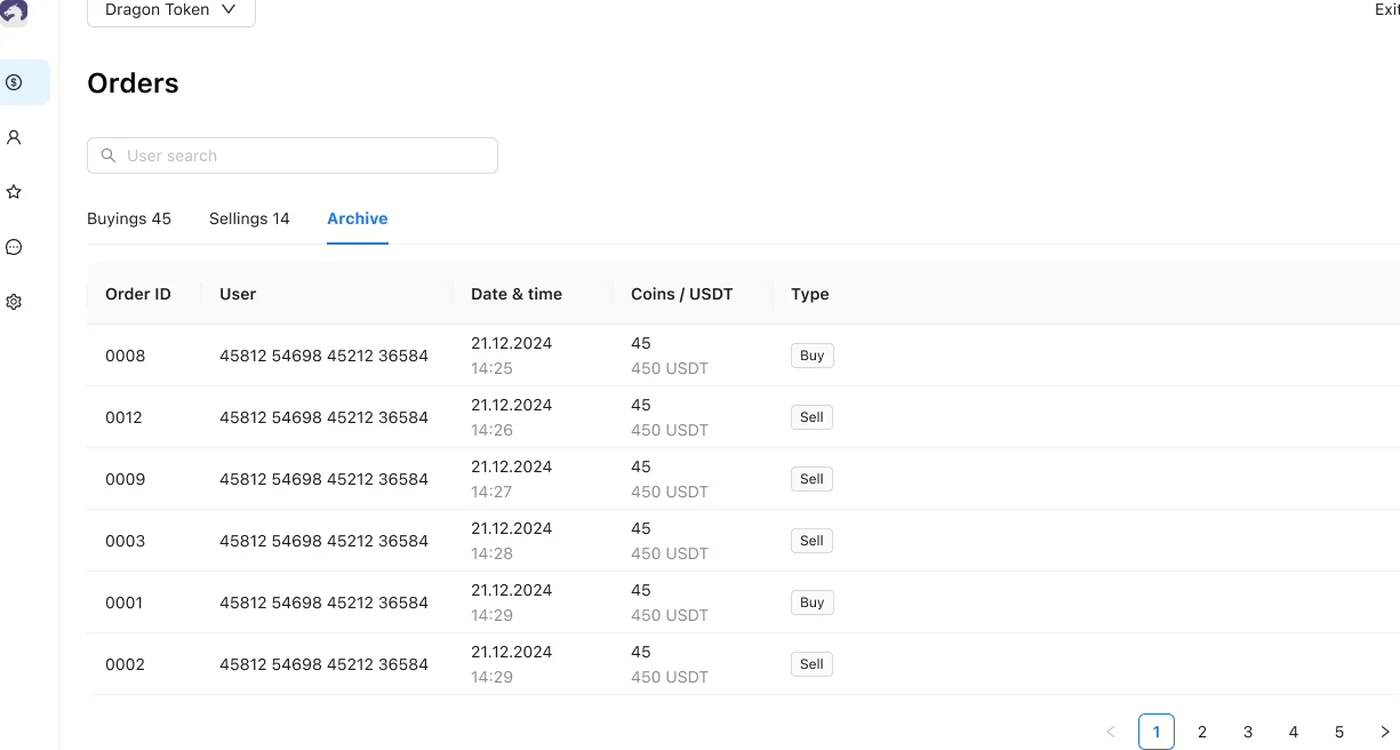
The transaction-history pane is where most early-stage crypto products under-invest, and where we spent disproportionate engineering effort. Every user has a complete archive of their buys and sells with timestamps, USDT amounts, token amounts, and the resolved price for each trade. Users in California, New York, Texas, Florida, and Washington in the US, and users in the Netherlands, Germany, France, Ireland, and Sweden in the EU, see exactly the same interface in English. The end-to-end React surface is delivered as part of our web application development practice.
The admin console is a Laravel-powered surface that lets the operating team drive the platform without a deploy. The token price is the single most operationally sensitive variable in the product, and the admin can update it in seconds — with the change immediately reflected on the user-facing chart and in any in-flight buy/sell quote. Capitalization controls let the operator cap or release token supply per epoch, the user-management view exposes the wallet verification queue, and the transaction archive is filterable by user, USDT amount, and resolved price.
Behind the admin surface, Laravel queues handle the slower work — on-chain USDT transfer confirmations, retry on failed broadcasts, anti-fraud signals against bot-pattern wallet submissions, and email notifications to end users. A four-role permission model (user, support, finance, admin) keeps the blast radius of a compromised support account low; the finance role is the only one with the right to mutate token price. The whole admin layer was built with extensibility in mind: adding a multi-token view, a Cyber Token pair, or a lending module is a configuration change against the entitlement service, not a code release.
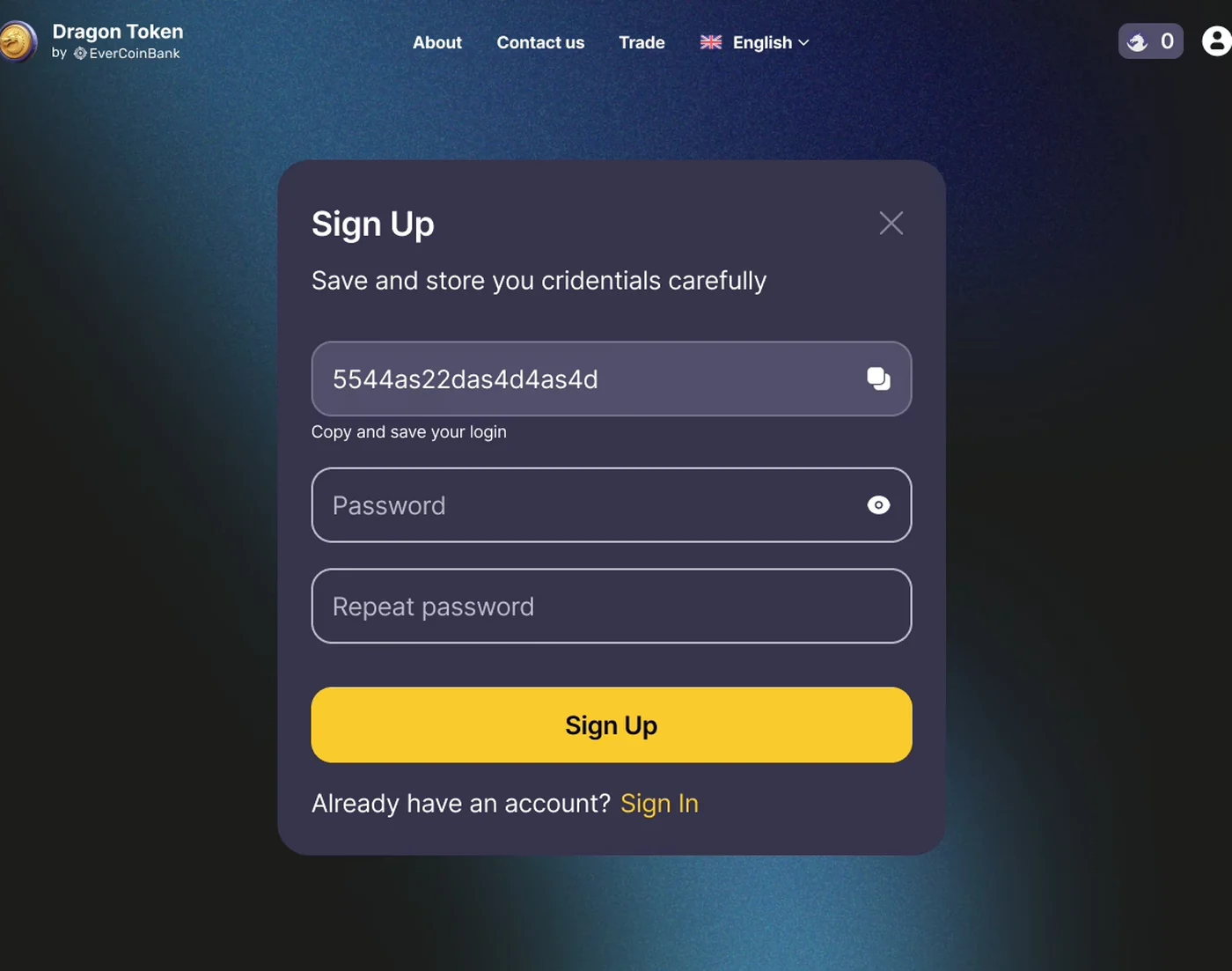
Dragon Token's no-custody posture was an architecture decision before it was a marketing claim. The platform never holds user private keys or seed material — users submit verified wallet addresses, and USDT transfers move directly between user wallets and the platform's treasury wallet on-chain. The Laravel control plane holds only what it must: wallet public addresses, KYC-verification state where required, subscription entitlement, and a transaction ledger keyed by an opaque internal identifier. There is no per-user seed table, no custodial hot-wallet store, and no metadata pipe to a centralized observability stack that joins payment identity to wallet identity.
Billing identity is deliberately separated from wallet identity. The four-role admin permission model keeps the right to mutate token price isolated to the finance role, and infrastructure-as-code policies enforce the no-custody invariants — any pull request that would introduce private-key storage, a seed phrase field, or a long-lived identifier in the trading plane fails CI. The posture is built to align with GDPR obligations for users in the European Union and CCPA / CPRA obligations for users in California and the broader United States — and to make a future independent readiness review a documentation exercise, not an architectural retrofit.
Compliance posture: GDPR-aligned · ISO 27001 ready · SOC 2 Type II in progress · HIPAA-capable · CCPA-acknowledged.
A five-phase build that took Dragon Token Platform from product specification to production for users across the United States and the European Union.
Threat model (who is the user defending against — phishing operator, malicious admin, exchange-listing scams), no-custody invariants, GDPR + CCPA posture mapping, USDT settlement review.
Laravel control plane skeleton, React trading client scaffold, four-role permission model, USDT settlement flow, RAM-resident session tokens, admin pricing engine.
React buy/sell forms, 9-day live chart on lightweight-charts, Laravel admin console with dynamic pricing, transaction archive, wallet verification queue.
Infrastructure-as-code policies that block private-key storage regressions, finance-role isolation for price mutation, anti-fraud queue, third-party readiness assessment scaffolding.
Web launch across US and EU storefronts, operator runbooks for the admin console, monitoring dashboards on the trading API and the queue workers, post-launch support.
Dragon Token's monetization layer was built to keep the platform extensible toward a multi-token, lending-capable future without a v2 rewrite. The subscription / entitlement service already supports multiple product tiers, the admin permission model already isolates finance from support, and the queue infrastructure already handles delayed settlement and retry semantics. The published roadmap adds a Cyber Token pair on the same trading surface, a lending module with multi-token deposit and interest accrual, an analytics dashboard with deeper price history, and an exchange listing on MetaMask — each layered on the existing Laravel control plane rather than as a separate stack. Inside the trading plane, all that flows through is a short-lived opaque session token; the on-chain wallet never sees the platform's identity surface even if compromised. Kill-switch behavior on the admin console (freeze trading at the platform level), per-token entitlement, and per-region availability all read from the same entitlement record, so a single state resolves cleanly across the trading client, the admin console, and the eventual lending module. The whole subsystem was built with extensibility in mind: adding a B2B tier, a multi-token watchlist, or an institutional dashboard is a configuration change against the entitlement service, not a code release.
Dragon Token launched on the web with the trading client active across the United States and the European Union. The English-language build serves users in California, New York, Texas, Florida, and Washington in the US, and users in the Netherlands, Germany, France, Ireland, and Sweden in the EU, without a separate codebase per region. Consent flows are region-aware at the client layer: users in the EU and EEA receive a GDPR-style granular consent screen with separate toggles for any optional product analytics; users in California receive a CCPA-style “Do Not Sell or Share My Personal Information” disclosure in the same flow. Data-handling practices are aligned with GDPR for European users and with the US state-privacy patchwork — CCPA / CPRA (California), VCDPA (Virginia), CPA (Colorado), CTDPA (Connecticut), UCPA (Utah), TDPSA (Texas), and Oregon CPA. Because the no-custody architecture removes the per-user wallet data the patchwork is most concerned with, regional compliance reduces to honest disclosure rather than per-jurisdiction data segregation.
The Laravel deployment was rolled out across EU and US-overlapping cloud regions in parallel, with each region's workers provisioned identically from immutable images. The trading API that resolves price quotes per user runs stateless workers that can be pinned to EU or US regions independently for future data-residency commitments. The in-app privacy policy was drafted to document exactly the architecture above, citing GDPR obligations and California CCPA obligations directly. The engineering team behind the build sits across CET and runs a CET workday with East-Coast US overlap (9 AM–1 PM ET) for stand-ups, exchange-listing choreography, and incident response — the timezone that lets a US product team and an EU engineering team share four hours of live overlap every day.
The active custom software development roadmap for the Dragon Token platform includes a Cyber Token pair on the same trading surface, a lending module with multi-token deposit and interest accrual, a deeper analytics view with longer-than-9-day price history, and a MetaMask exchange listing for users who prefer to trade from their own wallet UI. A B2B tier with team management and SSO is planned for US and EU treasury-management use cases, with the entitlement subsystem already structured for multi-seat assignment. Infrastructure plans include further admin-console automation, an internal continuous-verification harness against the no-custody invariants, and a future independent readiness assessment scaffolded into the cloud & DevOps roadmap.
If you are planning a crypto trading platform, a token-launch product, or any web app where the no-custody claim has to survive an outside reviewer for audiences in the US and EU, we have shipped this stack end-to-end and can compress the build timeline meaningfully. The engineering team behind it sits inside YuSMP Group. We work fixed-price for well-scoped MVPs and on dedicated development teams for ongoing delivery, with a CET workday and a guaranteed East-Coast US overlap (9 AM–1 PM ET) window for stand-ups, demos, and incident response.
A custodial crypto trading platform MVP covering a web React client, a Laravel control plane, USDT-denominated buy/sell, an admin pricing console, and a 9-day price chart typically costs $80k–$180k. Adding multi-token support, a lending module with interest accrual, MetaMask exchange listing, deeper analytics, and a B2B tier with SSO brings a full-featured product to $220k–$450k. The dominant cost drivers are the admin permission model, the no-custody hardening work, and the exchange-listing choreography for any future MetaMask or centralized-exchange step.
Laravel ships with a battle-tested permission model, queue workers, observability through Horizon, and a first-party admin tooling story that a Node + Express stack has to reinvent for every project. React gives the trading UI a mature chart ecosystem and component library out of the box. A pure Solidity-first stack treats the smart contract as the entire product, which makes admin-managed dynamic pricing and US / EU compliance posture much harder to deliver in 10–14 weeks. For a custodial USDT trading surface like Dragon Token, Laravel + React is the lower-risk choice.
A defensible no-custody posture is an architecture decision, not a marketing claim. The platform never holds user private keys or seed material — users submit verified wallet addresses, and USDT transfers move on-chain between user wallets and the platform treasury. The Laravel control plane holds only public-address metadata, KYC-verification state, and an opaque transaction ledger. Infrastructure-as-code policies prevent accidental introduction of private-key storage or seed-phrase fields during incident response. The result is that a future independent readiness review is a documentation exercise, not an architectural retrofit.
For users in the European Union and EEA, GDPR requires a granular consent mechanism, a clear privacy policy, and a documented basis for any processing of wallet-linked data. For users in California, CCPA / CPRA requires a “Do Not Sell or Share My Personal Information” disclosure and the right to delete — with the Virginia VCDPA, Colorado CPA, Connecticut CTDPA, Utah UCPA, Texas TDPSA, and Oregon CPA adding similar state-by-state expectations across the United States. A no-custody architecture removes most per-user data the patchwork is concerned with, which is the cleanest way to make regional compliance survivable.
A focused MVP with Laravel + React, USDT-denominated buy/sell, a 9-day price chart, an admin pricing console, and a transaction archive typically takes 10–14 weeks. Adding a multi-token view (e.g. Cyber Token), a lending module with interest accrual, deeper analytics, and a MetaMask exchange listing adds 6–10 weeks. The audit-ready hardening pass — no-custody invariants enforced in IaC, finance-role isolation for price mutation, third-party readiness assessment — is frequently underestimated and should be budgeted at 3–5 weeks of dedicated work.
Related cases
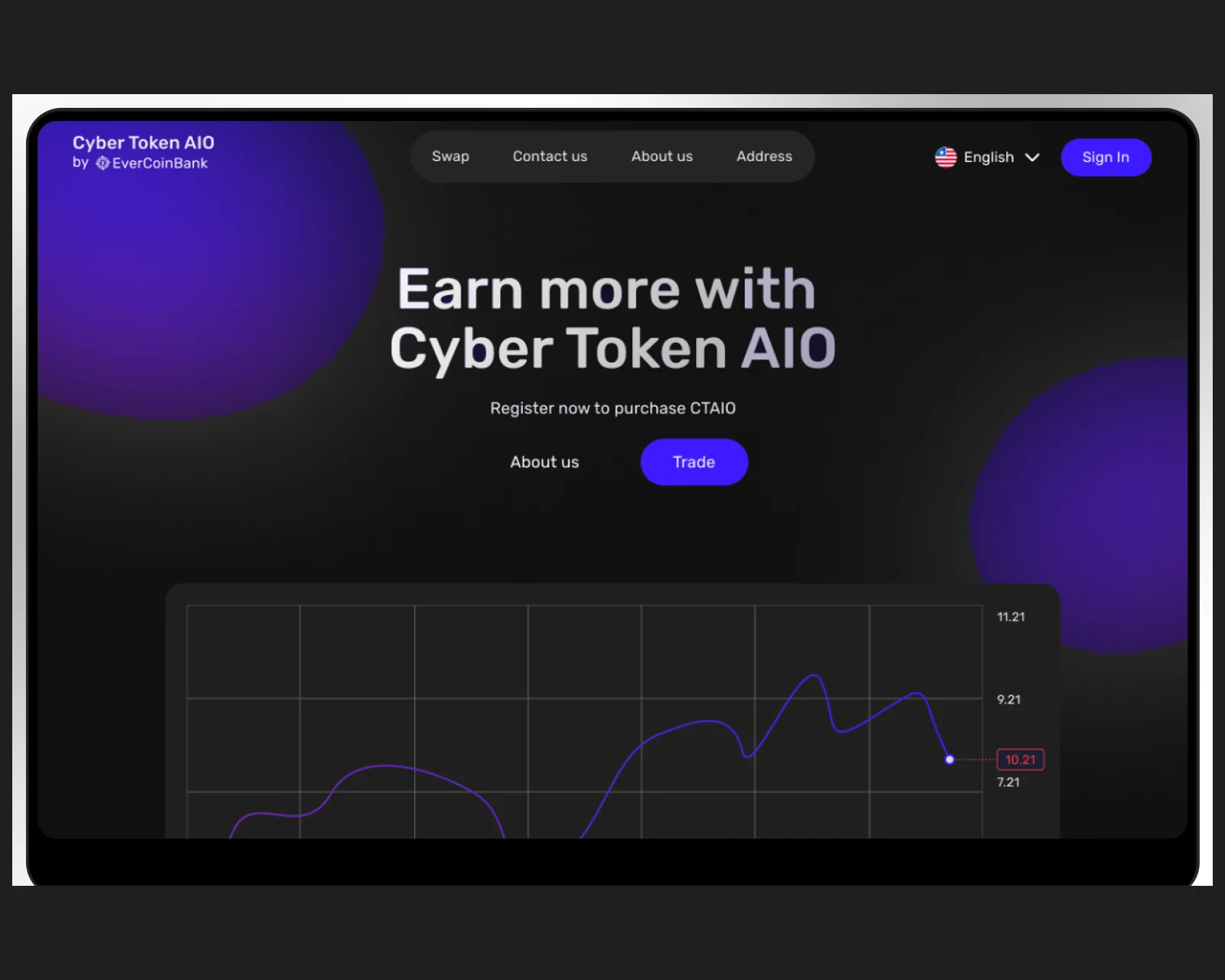
End-to-end ERC-20 token launch — Solidity contract, security audit, exchange listings, MetaMask checkout on the project site.
View case →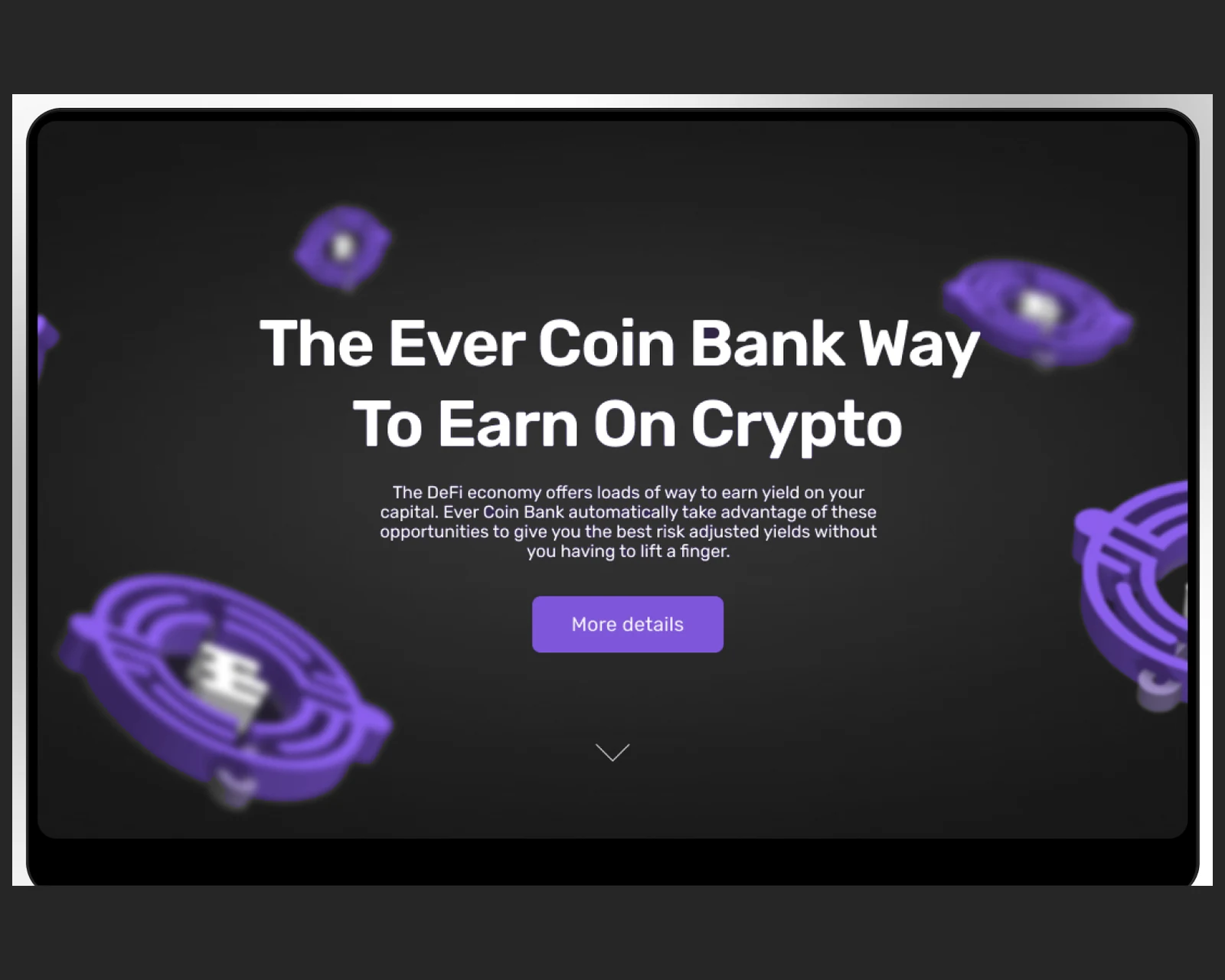
Unified crypto-ecosystem hub aggregating multiple tokens — live exchange data, search, charts, direct purchase entry point.
View case →
Dealer financing platform — multi-party workflows, document automation, and US + EU data-handling posture.
View case →Share a few details and a senior consultant will reply within one business day.