Project structure that scales
Without a deliberate staging → intermediate → marts layering, dbt projects sprawl into hundreds of interdependent models that nobody can navigate or refactor safely.
We build the transformation layer of your modern data stack with dbt — turning raw warehouse tables into governed, tested, documented data products. Our analytics engineers serve US and EU data teams who need reliable marts, clear lineage and fast, cost-aware runs. From greenfield dbt projects to rescuing tangled SQL, we ship maintainable models that analysts and stakeholders actually trust.
We build the transformation layer of your modern data stack with dbt — turning raw warehouse tables into governed, tested, documented data products. Our analytics engineers serve US and EU data teams who need reliable marts, clear lineage and fast, cost-aware runs. From greenfield dbt projects to rescuing tangled SQL, we ship maintainable models that analysts and stakeholders actually trust.
Without a deliberate staging → intermediate → marts layering, dbt projects sprawl into hundreds of interdependent models that nobody can navigate or refactor safely.
Naive full-refresh runs reprocess entire history on every build, burning warehouse credits; choosing the right incremental strategy and managing late-arriving data is genuinely hard.
Untested models silently break downstream dashboards; teams struggle to decide what to test, where, and how strictly without slowing every run to a crawl.
Over-clever Jinja and copy-pasted SQL violate DRY and become unreadable; under-using macros leaves logic duplicated across dozens of models.
Running and testing only what changed (slim CI) against ephemeral or isolated environments is non-trivial, yet without it every pull request risks the whole warehouse.
As models multiply, lineage gets murky, documentation rots and no one owns a given mart — making impact analysis and trust impossible.
We structure projects into staging, intermediate and mart layers with consistent naming, sources and folder conventions so the project stays legible as it grows.
We implement the right incremental materialisations and strategies (merge, insert-overwrite, microbatch), handle late data and full-refresh policy, and cut warehouse spend.
We add generic and singular tests, schema contracts, freshness checks and packages so failures surface in CI — not in a stakeholder's dashboard.
We extract shared logic into well-documented macros and adopt vetted packages (dbt_utils, codegen, dbt_expectations) to keep the codebase DRY and consistent.
We wire slim CI on pull requests, separate dev/CI/prod targets and automate builds so only changed models and their children run and get tested before merge.
We generate dbt docs with full lineage, add descriptions, exposures and ownership metadata, and define a governance model your whole team can rely on.
GDPR · tested data quality · lineage/governance · SOC 2

Unified crypto-ecosystem hub aggregating multiple tokens — live exchange data, search, charts, direct purchase entry point.
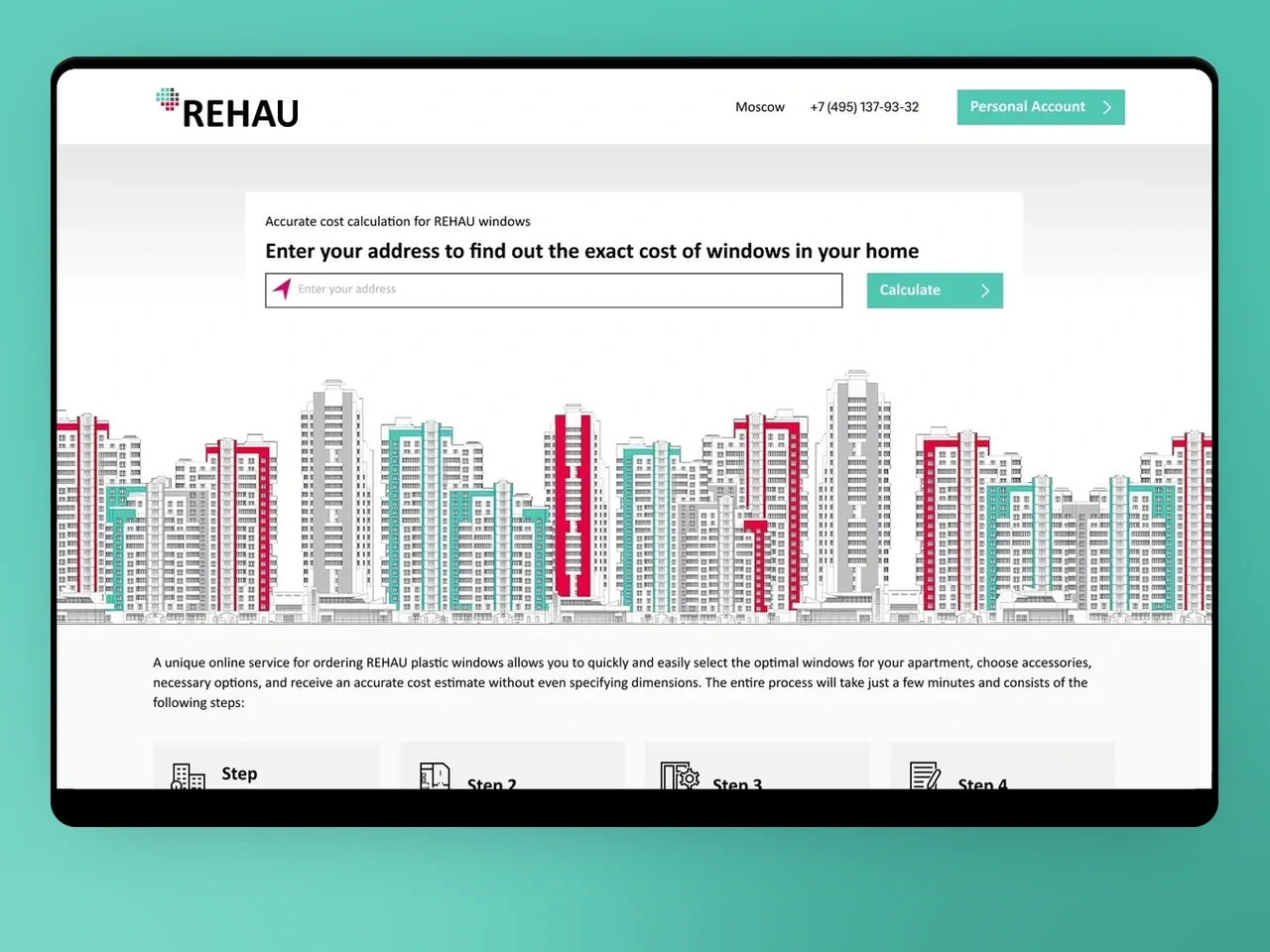
B2B e-commerce and product configurator for a global polymer manufacturer with multi-region pricing, stock and dealer workflows.
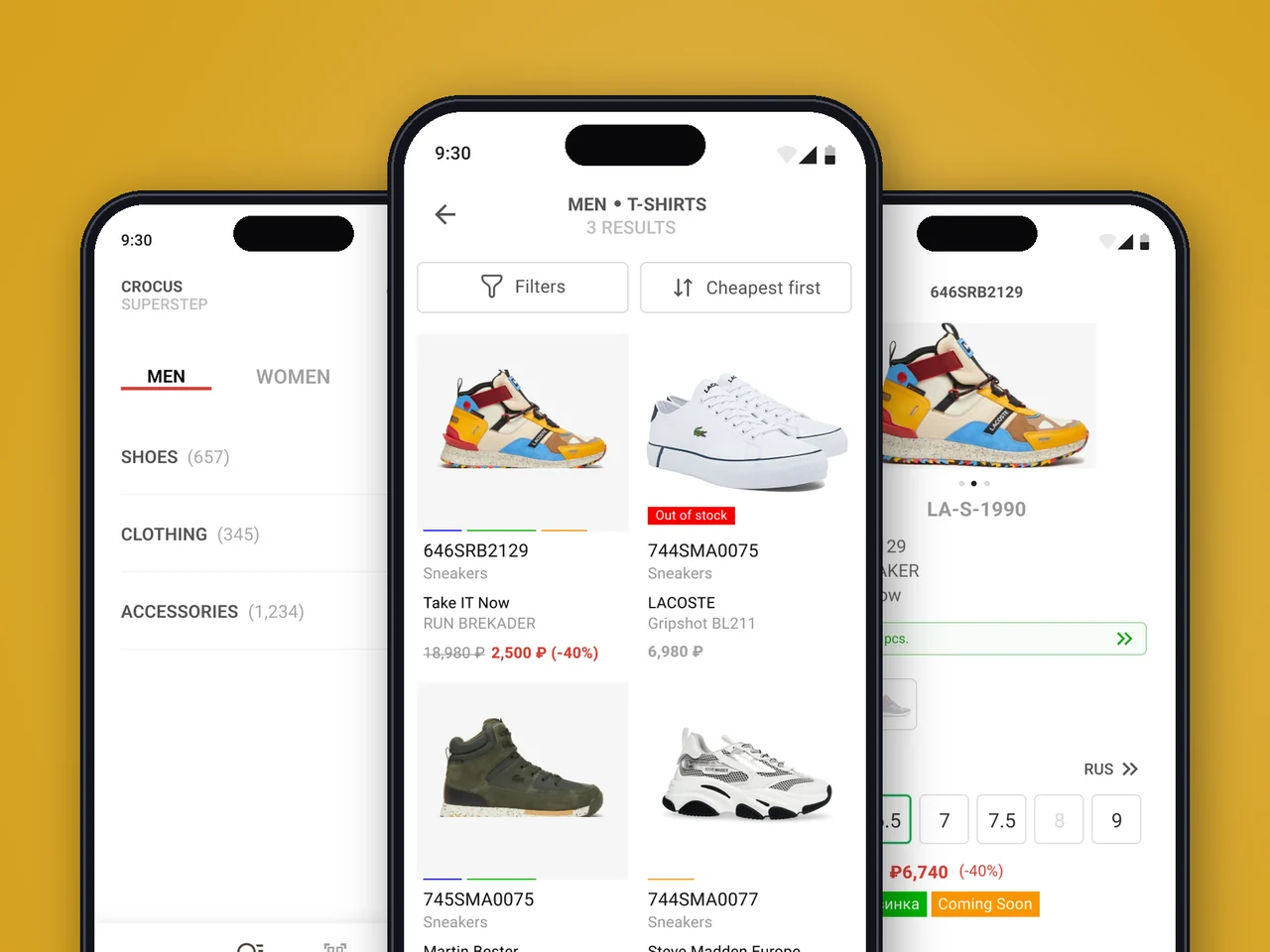
Retail POS companion app for a multi-brand boutique chain — ElasticSearch cross-store inventory search, 1C-system integration.
Aggregating live prices across multiple exchanges while keeping latency under 500 ms is genuinely hard engineering. YuSMP built the multi-exchange feed, real-time token charts, and listing workflow into a coherent platform. We have not had an outage since launch.
Our consultants were losing 15 minutes per customer on manual inventory checks. YuSMP built native apps backed by ElasticSearch, wired to our 1C system in real time. Time-per-customer dropped 40% across all locations within a week of launch.
B2B commerce for a polymer products brand means complex product configurators, dealer pricing tiers, and order workflows that non-technical buyers must navigate. YuSMP built a platform our dealers adopted without a single training session. Order volumes through the portal doubled in year one.
A loan decision engine that takes ten times less time to approve does not happen by accident. YuSMP built the scoring pipeline, integration with credit bureaus, and a back-office that our underwriters actually enjoy using. Approval turnaround went from two days to under four hours.
1 / 4
We know dbt does the T in ELT — it transforms data already in your warehouse, it is not an ingestion tool or an orchestrator — so we design pipelines that fit reality.
Every model we ship comes with tests, documentation and lineage, so analysts, executives and downstream systems can depend on the numbers.
Snowflake, BigQuery, Databricks or Redshift — we tune materialisations, costs and adapter specifics to your platform rather than a one-size-fits-all template.
FAQ
dbt (data build tool) handles the transform step in ELT. After raw data is loaded into your warehouse, dbt runs SQL models to clean, join and aggregate it into analytics-ready tables and views. It does not ingest data and it is not an orchestrator — it transforms data that already lives in the warehouse.
dbt Core is the free, open-source command-line tool you run yourself in your own infrastructure or CI. dbt Cloud is the hosted commercial product that adds a managed scheduler, IDE, CI integrations and a hosted docs/metadata layer. We work with both and help you choose based on team size, governance needs and budget.
Incremental models build only the new or changed rows on each run instead of rebuilding the whole table. They dramatically cut warehouse cost and runtime on large, append-heavy datasets. They add complexity around late-arriving data and full refreshes, so we apply them where the volume justifies it and keep smaller models as simple table or view materialisations.
dbt lets you declare tests — generic ones like not-null, unique and relationships, plus custom singular tests — that run as part of every build. Combined with source freshness checks and packages like dbt_expectations, this catches bad data before it reaches dashboards. We design a test suite that is thorough without making runs prohibitively slow.
The warehouse (Snowflake, BigQuery, etc.) stores and computes the data; dbt defines and runs the SQL transformations inside it; and an orchestrator such as Airflow schedules and triggers dbt runs alongside ingestion and other tasks. dbt itself does not schedule pipelines — it is invoked by an orchestrator or by dbt Cloud's scheduler.
dbt supports all major cloud warehouses through adapters, including Snowflake, Google BigQuery, Databricks, Amazon Redshift, Postgres and others. We tune materialisations, performance and cost to your specific platform, since each adapter has its own SQL dialect and optimisation levers.
For a tiny dataset with one or two simple tables and no real transformation logic, a couple of SQL views or a lightweight script can be enough — dbt's project structure, tests and CI add overhead you may not need yet. dbt pays off once you have multiple models, several contributors, recurring quality issues or a need for lineage and documentation.
Tell us where you want to be in twelve months. We’ll come back with a plan to get you there.
Response within 1 business day. NDA on request.
Share a few details and a senior consultant will reply within one business day.
Email: sales@yusmpgroup.com
Phone: +374 44 871 811
Offices: KAMAR Business Center, Vazgen Sargsyan St. 2, Yerevan, Armenia · Remote — East-Coast US overlap (9 AM–1 PM ET)