PII leaking to OpenAI logs
User prompts often contain names, emails and health data. We implement PII detection, redaction and ZDR endpoint configuration before any prompt leaves the perimeter.

EU AI Act GDPR Art. 22 Eval-driven Vendor-neutral
We integrate OpenAI's GPT models into production SaaS with structured outputs, function calling and eval harnesses — not demos. Every engagement ships with an EU AI Act risk classification document, GDPR ZDR configuration, and a fallback to Anthropic or self-hosted models so you are never locked to one provider's pricing or availability.
We deliver OpenAI integration engineering for four buyer profiles: SaaS product teams adding GPT-powered features — extraction, classification, summarisation, search reranking; regulated industries requiring EU AI Act compliance and GDPR ZDR configuration; enterprise clients building internal AI assistants over private corpora; and platforms replacing manual review workflows with LLM-powered automation. Vendor neutrality is built in — every integration is routed through an abstraction layer that lets you switch between OpenAI, Anthropic and self-hosted models without rewriting application logic.
Challenges
User prompts often contain names, emails and health data. We implement PII detection, redaction and ZDR endpoint configuration before any prompt leaves the perimeter.
Token spend spikes unpredictably without per-feature budgets and anomaly alerts. We instrument every model call with token count metrics and alert before monthly budgets are breached.
GPT-4 models hallucinate on under-specified retrieval or ambiguous instructions. We ground responses with RAG, use structured outputs to constrain format, and gate on RAGAS faithfulness scores.
User-controlled input embedded in system prompts creates injection vectors. We apply structured schemas, explicit delimiters, output validation and adversarial test sets in CI.
Prompt changes ship without quality checks and silently degrade outputs. We build RAGAS-based eval harnesses and require passing evals as a CI merge gate.
Regulators expect documented risk classification before AI features go live. We run the classification workshop on day one and produce a technical file, not a spreadsheet.
Solutions
Retrieval-augmented generation over internal documents, knowledge bases and databases — with pgvector or Qdrant, source attribution and hallucination controls.
GPT agents that call internal APIs, databases and tools — with typed schemas, retry logic and human-in-the-loop approval gates for sensitive actions.
Document parsing, form extraction and classification with JSON mode and Pydantic schema validation — replacing manual review workflows.
Moderation pipelines combining OpenAI Moderation API with custom classifiers for platform-specific policy categories.
Hybrid BM25 + embedding search with GPT-powered reranking — significantly improves relevance for catalog, knowledge base and code search.
Provider-neutral routing layer dispatching to OpenAI, Anthropic or self-hosted models based on task type, cost budget and latency SLA.
Stack
OpenAI GPT-4.1, GPT-4o, Whisper, Structured Outputs, Assistants API, Embeddings, LangChain, LlamaIndex, pgvector, Qdrant, LangSmith, Ragas, FastAPI, Python.
Compliance
GDPR-aligned · EU AI Act-aware · SOC 2-capable · HIPAA-capable · CCPA-acknowledged
Shared: OWASP LLM Top 10, prompt-injection hardening, SBOM for model dependencies.
Cases
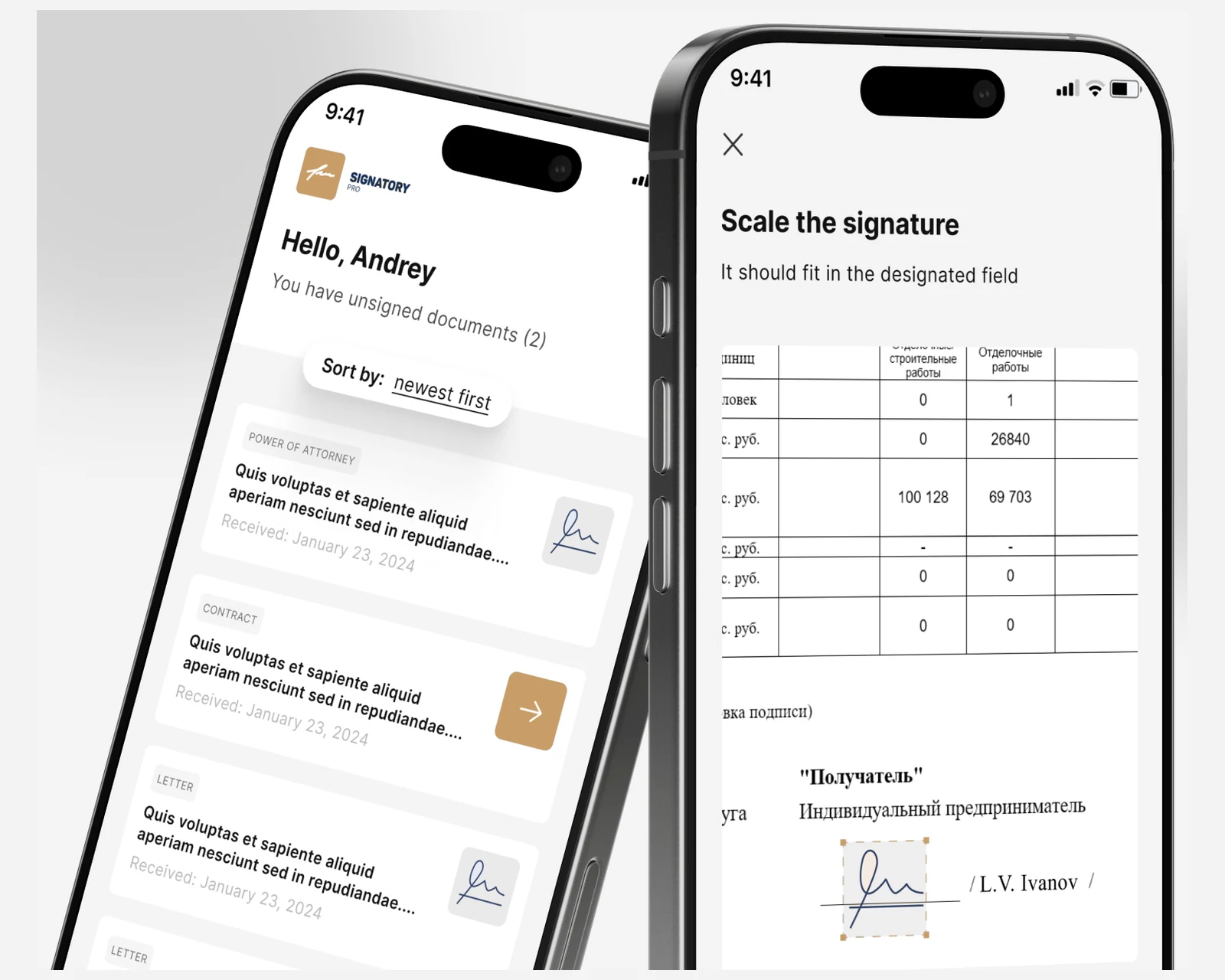
Native iOS and Android e-signature clients with a Symfony + React CRM for a cross-border law firm — KYC onboarding and a defensible evidence trail for US & EU matters.

Production social platform — App Store + Google Play, live across the US and EU — with geo Radar, encrypted messaging and a virtual economy.
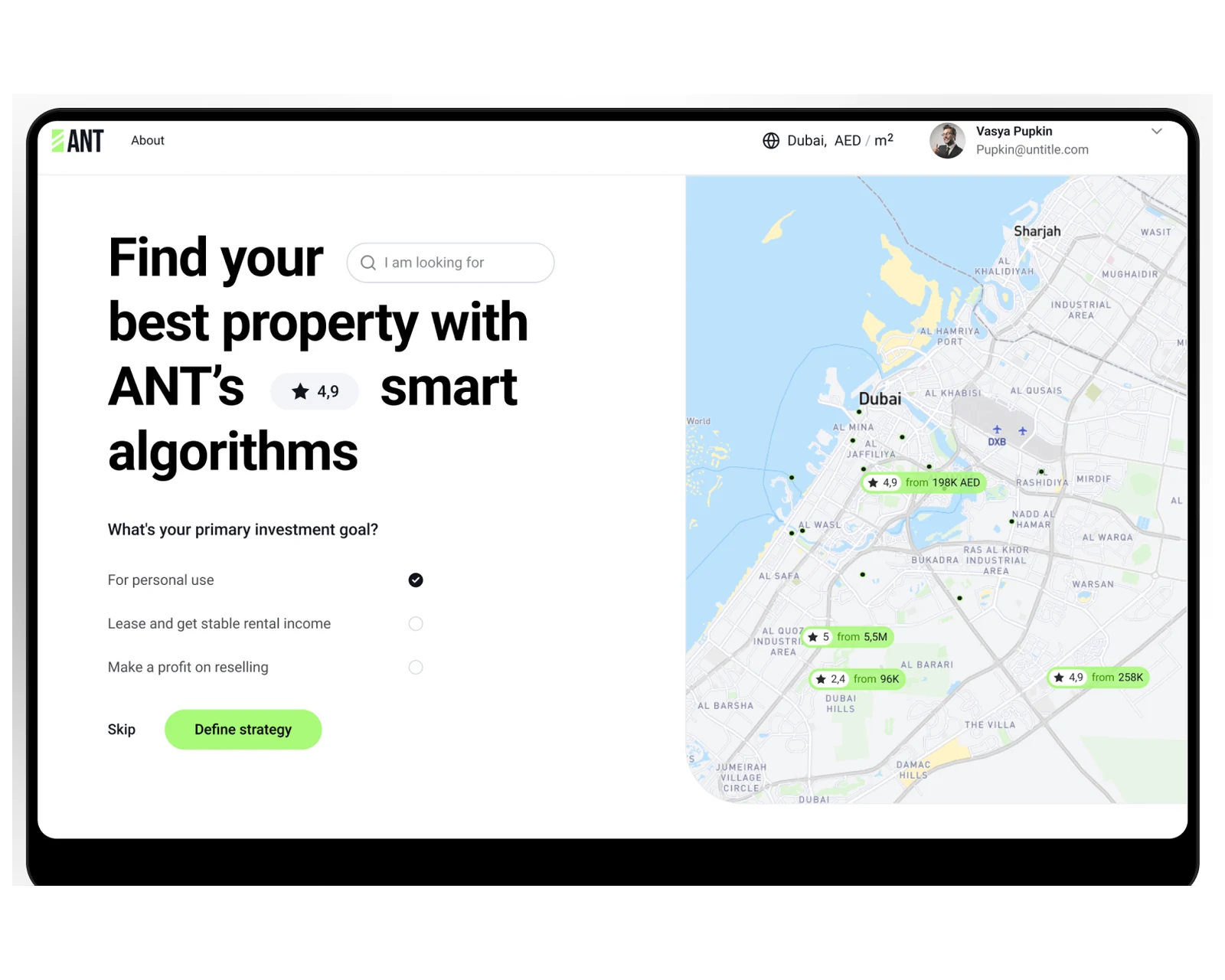
Property marketplace web platform with listing CMS, search and B2B admin console for US and EU operators.
Why YuSMP
We integrate OpenAI, Anthropic, Mistral and self-hosted models through a unified router — so you can switch providers without rewriting application logic.
No prompt ships without a regression eval. RAGAS metrics, golden-set comparisons and business-specific benchmarks run in CI on every merge.
Every AI engagement starts with a risk classification workshop. High-risk systems get conformity assessment plans; limited-risk systems get transparency disclosure templates.
FAQ
We configure zero-data-retention (ZDR) API endpoints where available, implement PII detection and redaction with Microsoft Presidio or custom NER models before prompts leave our perimeter, and route EU personal data exclusively through Azure OpenAI with EU-region endpoints and no-logging configuration.
ZDR endpoints instruct OpenAI not to store any API request data beyond the immediate response. Available on select models via API agreement. We document the ZDR configuration in your data processing agreement and include it in the EU AI Act technical file.
We implement semantic caching (GPTCache or custom Redis-based) to avoid re-querying identical prompts, select model tiers per task (gpt-4o-mini for routing, gpt-4o for analysis), set max_tokens budgets, monitor token spend per feature in real-time and alert on anomalies.
We build an eval harness before writing the first prompt: golden-set Q&As, RAGAS metrics for retrieval quality, and business-specific metrics per feature. Every prompt template change runs the eval suite in CI. No prompt ships without a regression gate.
We run a structured workshop covering intended purpose, user population, decision autonomy and sector to assign the correct risk tier. High-risk systems (CV scoring, medical decision support) get a conformity assessment plan; limited-risk systems get transparency disclosures. The classification is documented in a technical file.
RAG for dynamic corpora where source attribution matters — legal documents, product catalogs, support knowledge bases. Fine-tuning for stable tone, format or domain vocabulary that RAG alone cannot reliably produce. We recommend RAG first and evaluate fine-tuning only when RAG plateaus.
Structured output schemas (JSON mode + Pydantic), clear system/user content separation with explicit delimiters, output schema validation, adversarial injection test sets in CI, and monitoring for anomalous output patterns in production.
Yes. We implement a model router that dispatches to OpenAI, Anthropic Claude, Mistral or a self-hosted model based on task type, cost budget and latency SLA. The application layer calls the router, not a specific model — so swapping providers requires no application code changes.
Response within 1 business day. NDA on request.
Share a few details and a senior consultant will reply within one business day.